etunisie
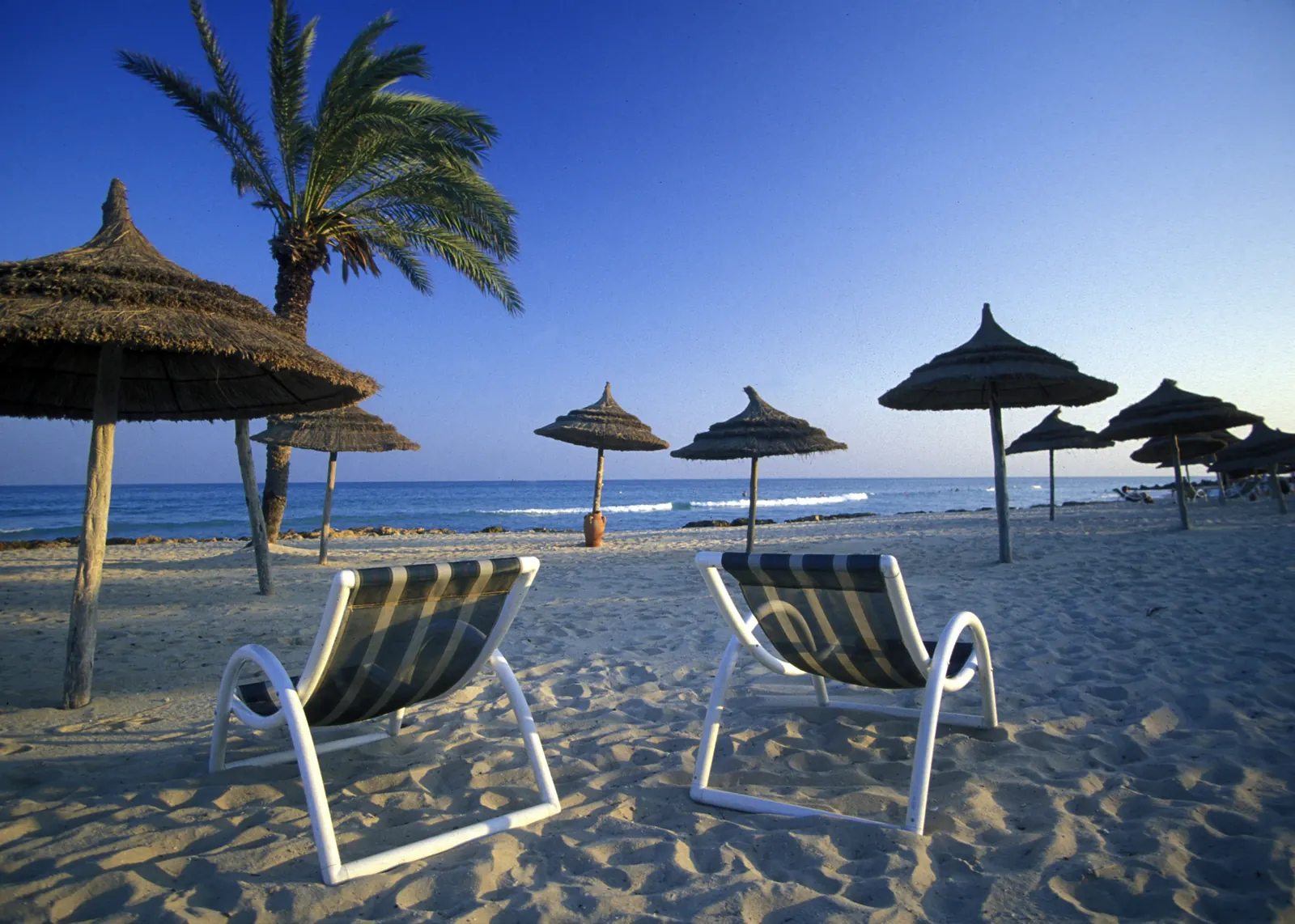
Sousse beach
Transport

SNCFT trains: the slow, scenic backbone

Tunisia's railway, the SNCFT, dates to French colonial times and shows it — but the Tunis–Sousse–Sfax coastal line is comfortable, air-conditioned in 1st and 'Confort', and absurdly cheap. It's a great way to do El Jem (the Roman amphitheatre is right by the station), reach Sousse from the airport area, or take the romantic overnight south to Tozeur.

200+ km
Tunis ↔ Sfax mainline
~14 TND
Tunis → Sousse 2nd class
3 classes
2nd, 1st, Confort
sncft.com.tn
Schedules & online booking

The classic line: Tunis ↔ Sousse ↔ Sfax

The country's busiest passenger corridor. From Tunis Ville (the central station, just south of the medina) you ride south along the Sahel coast through Bir Bouregba (Hammamet junction), Sousse, Monastir (branch line), El Jem and on to Sfax. Times: Tunis–Sousse 2h15, Tunis–Sfax 3h30–4h, Tunis–El Jem ~3h. Roughly 6–8 trains a day each way. Fares (2nd class, indicative): Tunis–Sousse ~14 TND, Tunis–El Jem ~17 TND, Tunis–Sfax ~22 TND. 1st class is +50%, Confort (the premium air-con class introduced on key trains) is roughly double 2nd. Buy at the station ticket office on the day, or for popular routes book online at sncft.com.tn. Bring your passport (sometimes asked).
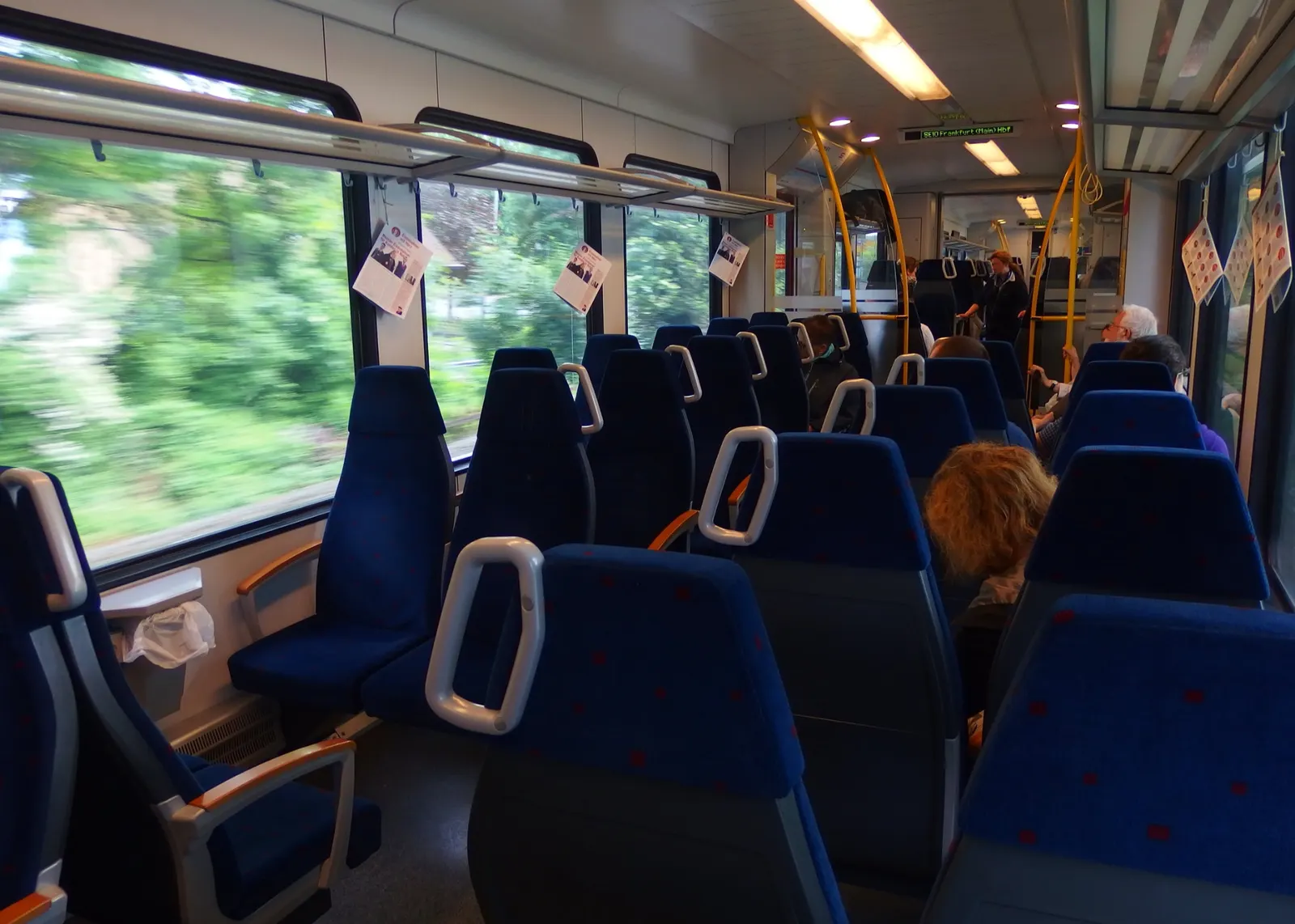
The classic SNCFT line: Tunis ↔ Sousse ↔ Sfax
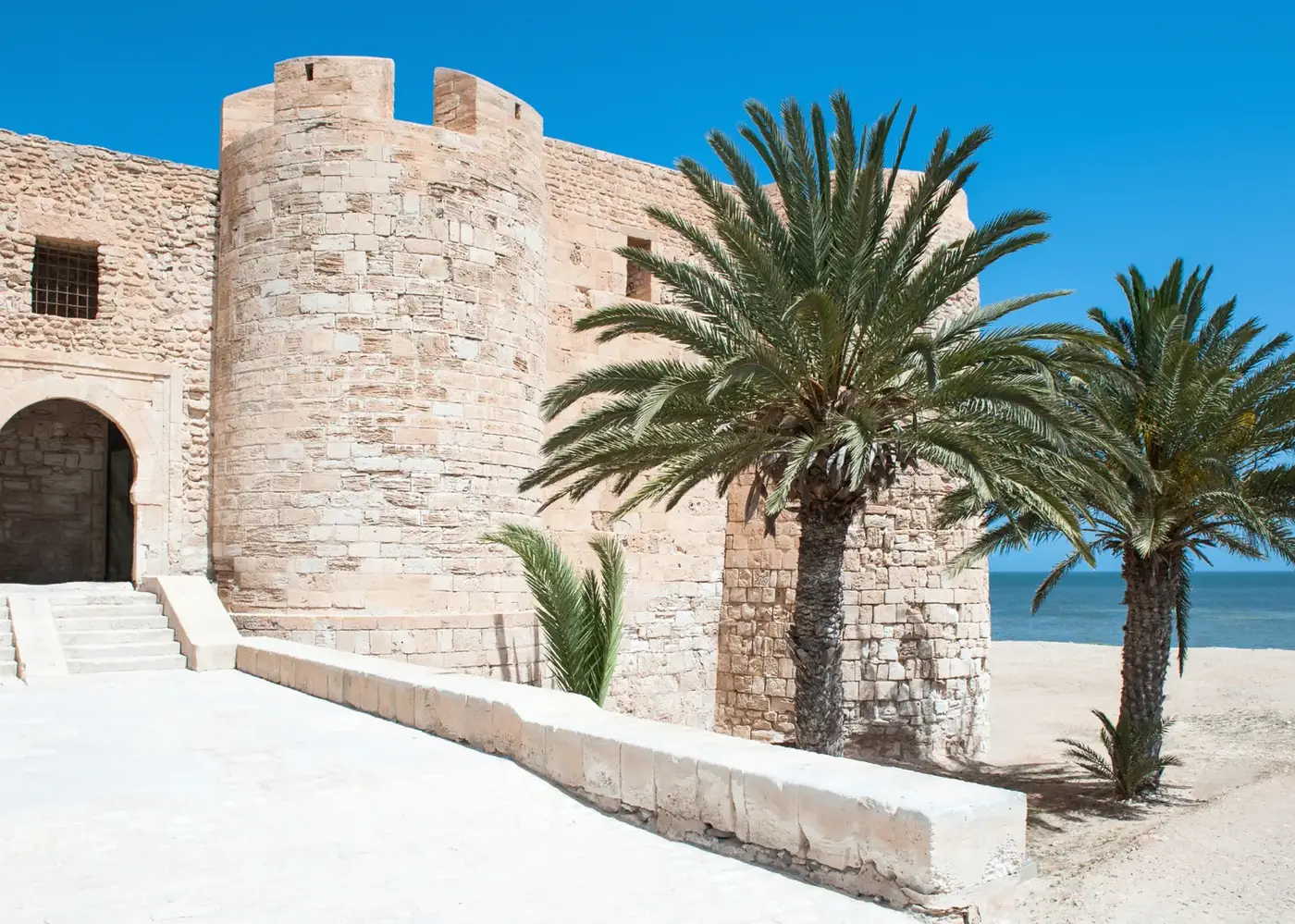
Mahdia fortress

The Sahel branch: Sousse ↔ Monastir ↔ Mahdia

The Métro du Sahel is a separate light-rail line, not the mainline SNCFT — but it's the easiest way to move between Sousse, Monastir (with a stop right at the airport) and Mahdia. Frequent (every 30–45 min in the day), cheap (a few TND end to end), and scenic along the lagoon. Great for day trips: stay in Sousse, hop down to Monastir for the Ribat and Bourguiba mausoleum, continue to Mahdia for the medina and the fortress on the headland.

The southern line — Tunis to Gabès & Gafsa

From Tunis you can continue past Sfax south to Gabès (gateway to the desert) and west to Gafsa / Metlaoui (the gateway to Tozeur). It's longer (Tunis–Gabès ~7h, Tunis–Tozeur via overnight ~10h), less reliable, and not always operating end-to-end — check current SNCFT schedules and condition reports before relying on it. For reaching the south, most travellers fly to Tozeur, take the Tunis–Tozeur night train if it's running, or louage / private driver from Sfax. Don't miss the ICONIC Lézard Rouge — a restored beylical train running tourist excursions through the spectacular Selja Gorge from Metlaoui (currently subject to seasonal operation; check before travel).

Classes — what you actually get

2nd class: padded bench seats, packed at peak, fans rather than air-con on older stock. Cheap and absolutely fine for short rides. 1st class: bigger seats, less crowded, often air-conditioned. Worth the small extra on a 2-hour+ ride. Confort / 'Direct': the modern flagship service on key Tunis–Sousse–Sfax departures. Properly air-conditioned, reserved seats, comfortable. Treat it as the 'Eurostar' equivalent. No on-board catering on most services. Buy snacks before boarding; vendors sometimes sell pastries and water through the window at major stops.

Practical tips

Tunis Ville is the central station — easy to find, 5 minutes south of Place de Barcelone. Don't confuse with Tunis Marine (the TGM coastal-line terminus). Buy a return when you depart — saves a queue at the destination. Time your Sousse return: a ride back from El Jem on a hot afternoon with no air-con isn't fun. Pick a Confort service if available. Train delays of 15–30 minutes are normal; don't connect tightly to a flight. Alternative for the same routes: louage (faster, similar price) or motorway car (faster still, expensive). Train is the relaxed pick for solo travellers, photographers and people who want to read on a window seat.

Ready to plan your Tunisia trip?

Build a custom 3, 7 or 14-day itinerary in 60 seconds with our AI Trip Planner.