etunisie
etunisie
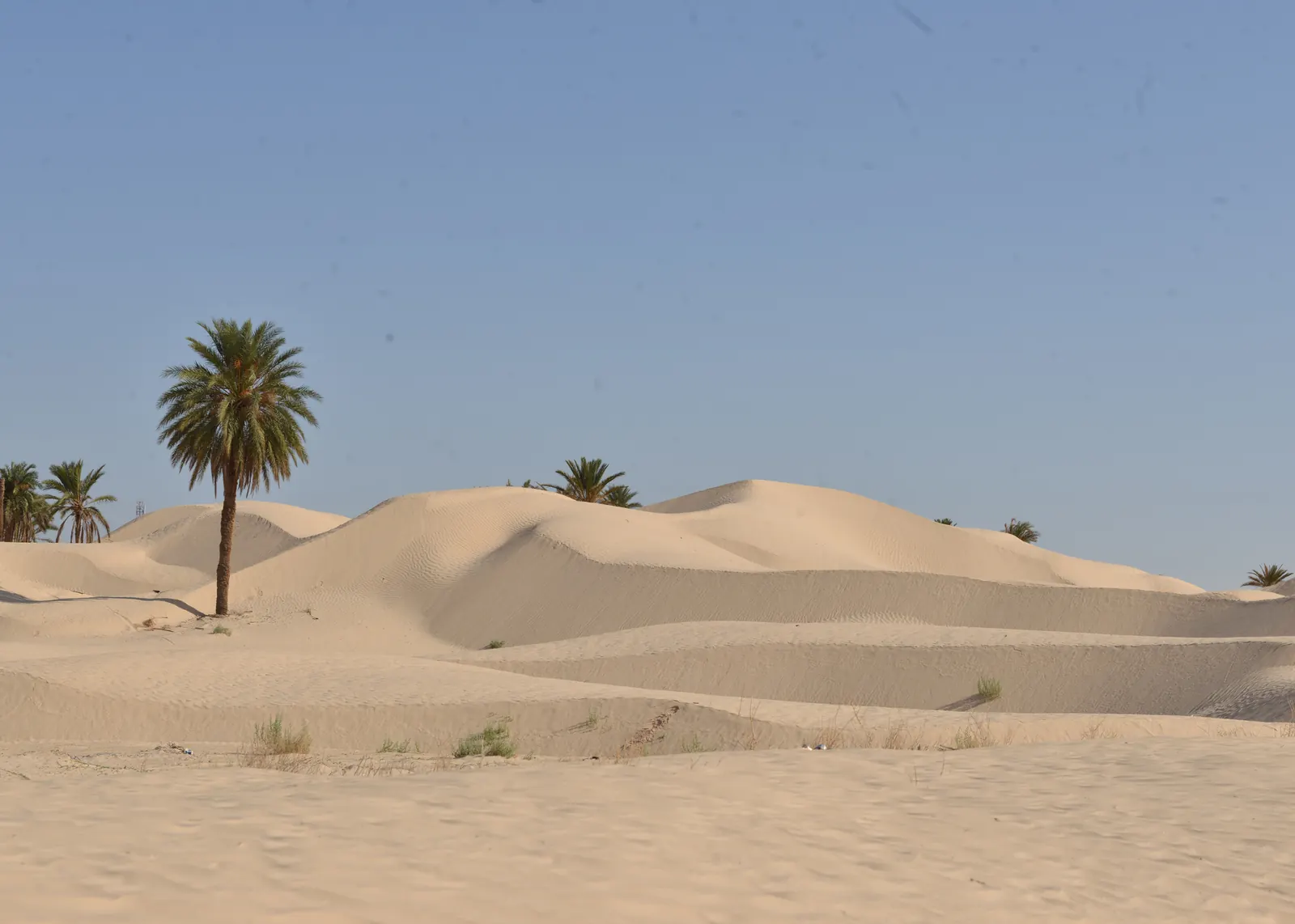
A solitary palm in the Tunisian desert
Plan Your Trip

Packing for Tunisia: season by season

What you pack depends entirely on when you go and what you'll do. Tunisia is hot and beachy from June to September, surprisingly cool and desert-perfect from December to February, and a bit of everything in spring and autumn. Here are practical lists for each.

Layers
The shoulder-season key
Modest
For mosques & inland villages
Closed shoes
For ruins & dunes
Always
Reusable water bottle

Summer (June–September)

Pack light, pack thin. Clothing: 4–6 light cotton or linen tops, 2–3 pairs of light trousers or skirts, 2 swimwear, 1 light cover-up for over swimwear, 1 sundress, 1 long-sleeve light shirt for sun protection. Footwear: comfortable walking sandals, beach flip-flops, one pair of light trainers for sightseeing. Essentials: high-SPF sunscreen (SPF 50), wide-brim hat, sunglasses, refillable water bottle, light scarf or sarong. For evenings out: one smart-casual outfit (rooftops, nicer restaurants). What you don't need: a jumper, a jacket, walking boots.
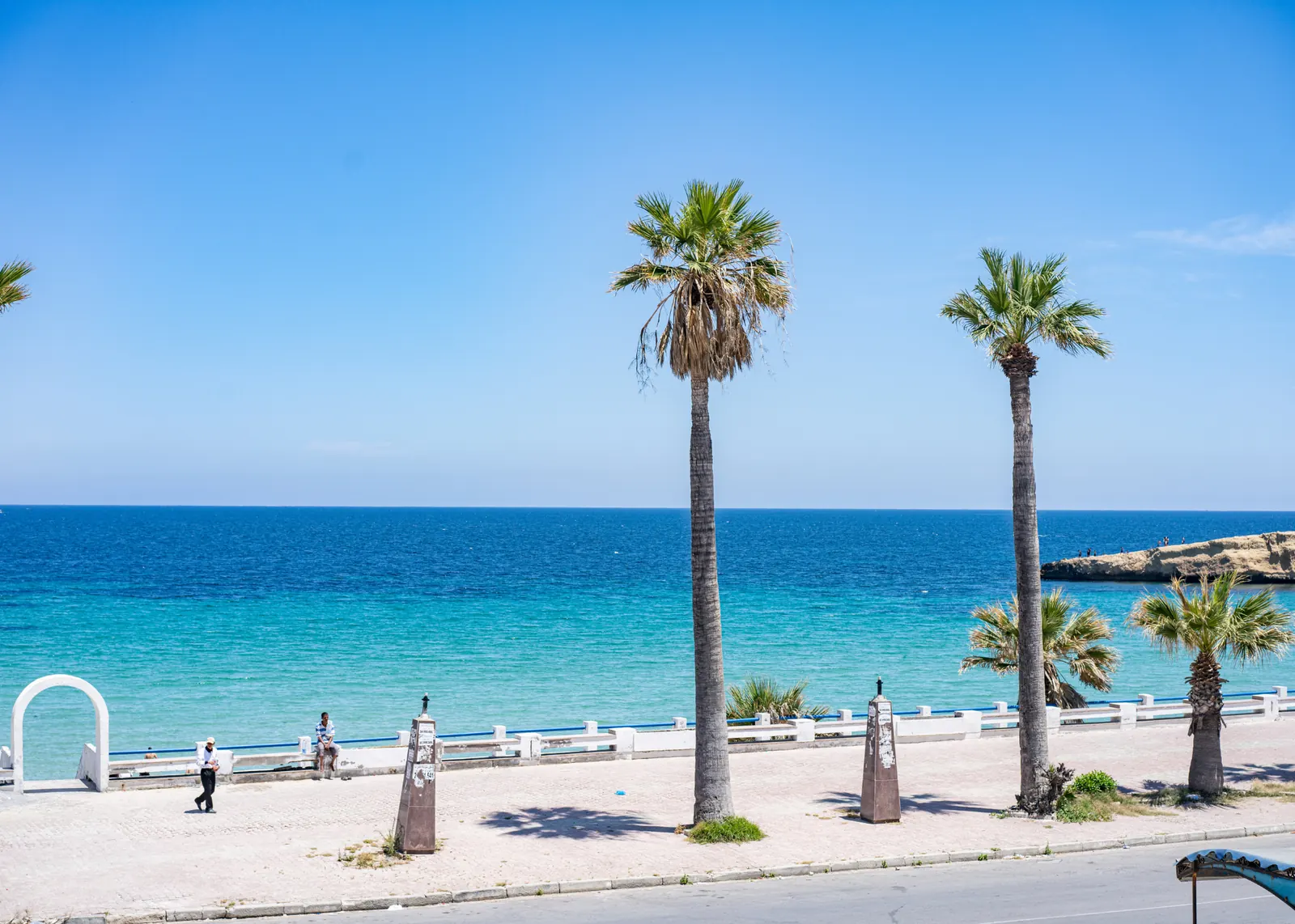
Hammamet beach
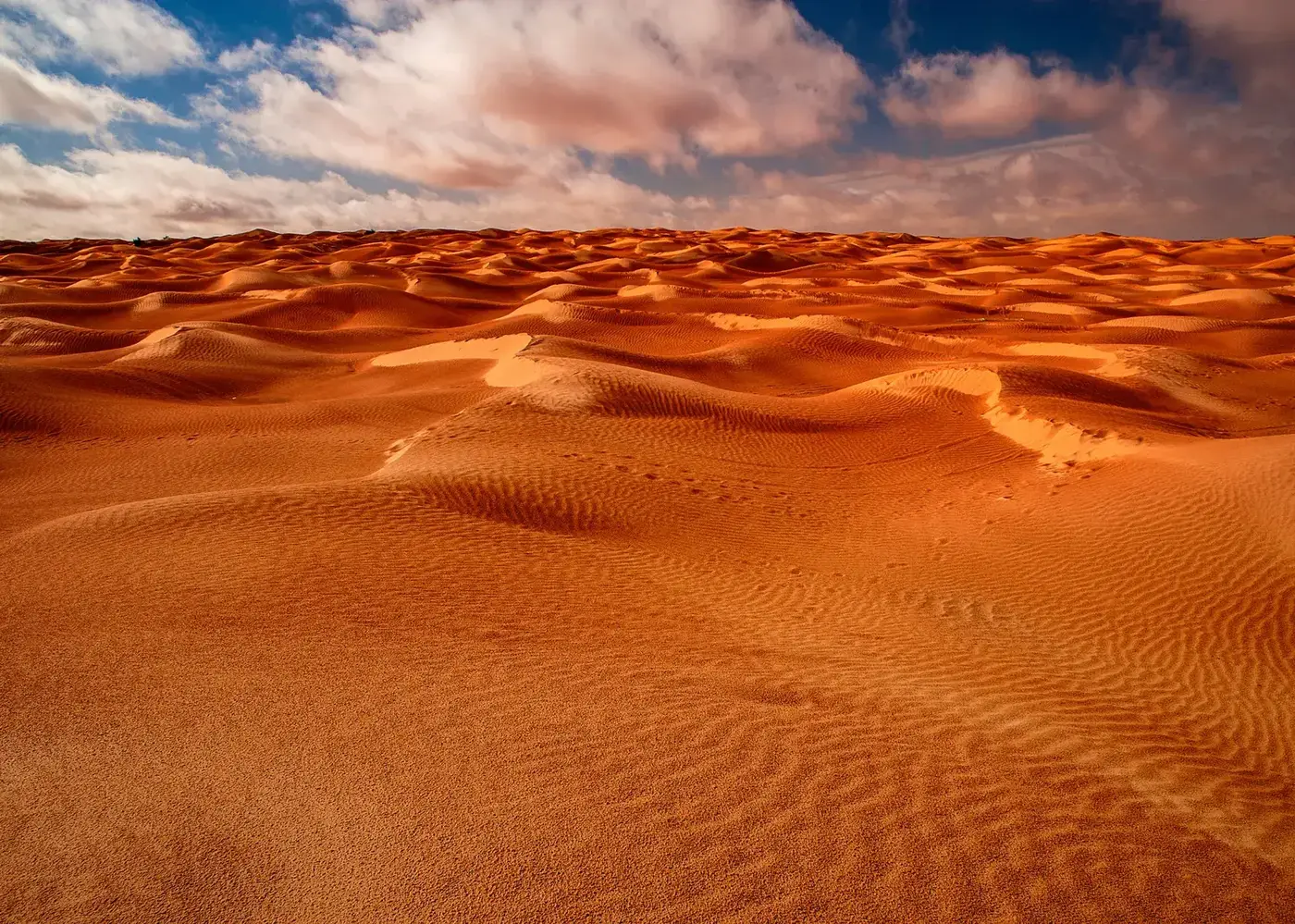
Sahara dunes

Winter (November–February)

More layers than you'd guess. Clothing: 4–5 long-sleeve tops, 2 pairs of trousers, 1 light fleece, 1 warm jumper, 1 light insulated jacket (especially if going to the desert). Footwear: comfortable walking shoes (Tunis medinas have lots of cobbles), one pair for desert excursions (closed, stable, not white). Desert-specific: very warm fleece or down layer for night (it can drop to 2–5°C), wool hat, gloves, scarf. Days in Tunis and the coast are typically 14–18°C — long sleeves and a light jacket are perfect. Days in Tozeur and the Sahara are 18–22°C; nights are very cold.

Shoulder seasons (Mar–May, Oct)

Hardest to pack for — bring layers. Clothing: mix of summer and mid-season — 4 light tops, 2 long-sleeves, 1 light jumper, 1 light packable jacket. Trousers + light skirts/dresses. Swimwear (sea is warmer than people expect from May). Footwear: walking sandals + light trainers + flip-flops. Key extras: light scarf for cooler evenings, light rain jacket (rare but possible in March–April), sunscreen still essential. This season is the most enjoyable but the hardest to pack a single bag for — be merciless and stick to layers.

Cultural notes — what to wear where

Beach and resort: anything goes within reason. Bikinis, shorts, swimwear at the pool — all fine. Resort restaurants in the evening: smart casual at 4-star+ (no swimwear, no bare feet). Tunis, Sidi Bou Said, La Marsa: same as any European city. Western dress is the norm. Showing some skin is unremarkable. Medinas of Tunis, Sousse, Sfax: covered shoulders and knees is more comfortable for everyone — locals dress modestly here. A scarf in your bag for impromptu mosque visits is wise. Kairouan and inland villages: dress conservatively (covered shoulders, knee-length or longer). It's about respect rather than rules. Mosques: covered shoulders, knees, and hair (women) are required to enter. Most provide cover-ups at the door if needed.

Don't forget

European travel adapter (Tunisia uses Type C and Type E plugs — same as France). Small first-aid kit (paracetamol, rehydration salts, plasters, anti-diarrhoea, antihistamine). Reusable water bottle (with a filter if going off the beaten path). Power bank for long desert days. Cash (€100–€200 to change on arrival). Copy of passport on phone, original in hotel safe. Downloaded offline maps (Tunisia is not perfectly covered by Google Maps in rural areas — try Maps.me). A paperback or two — desert nights are long and offline.

Ready to plan your Tunisia trip?

Build a custom 3, 7 or 14-day itinerary in 60 seconds with our AI Trip Planner.