etunisie
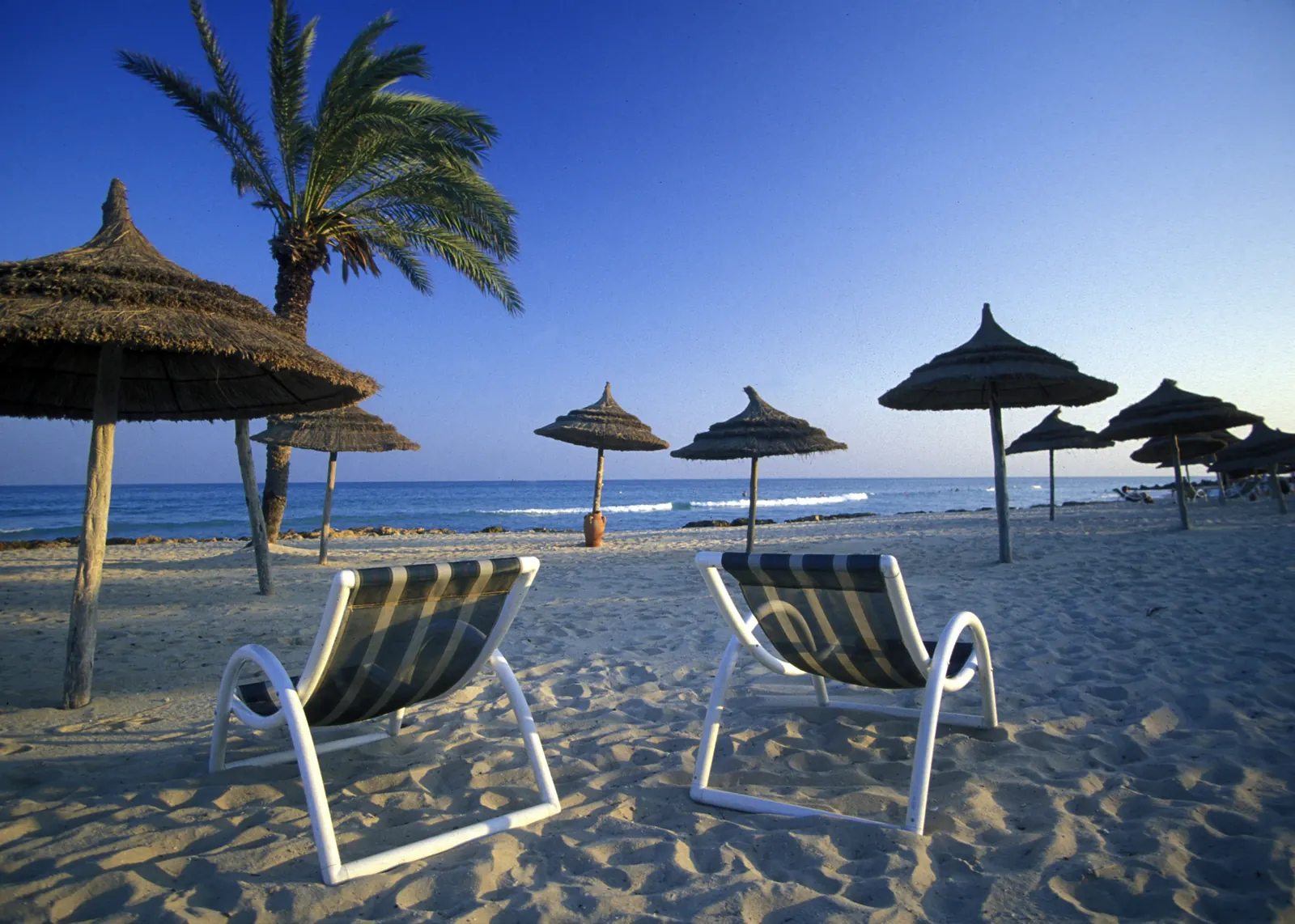
Calm Mediterranean sea on a Tunisian beach
About Tunisia

The best time to visit Tunisia

Tunisia has a long swimming season — June to mid-October — and a desert that is genuinely best in winter. The shoulder months of May, June, September and October are the sweet spot if you want both: warm sea, manageable heat in the south, lower prices and far fewer crowds.

May–Oct
Swimming season
26°C
Avg. summer sea temp
Nov–Mar
Best for Sahara
300+
Sunny days a year

Spring (March–May): the green window

Spring is short and beautiful. Wildflowers cover the north, the medinas are full of jasmine, and afternoon temperatures climb steadily from 18°C in March to 25°C in May. The sea is still cool — most travellers don't swim until mid-May — but it's the ideal moment for sightseeing in Tunis, Carthage, Dougga and Kairouan, and for hiking in the Cap Bon and the northern Khroumirie mountains. What to pack: layers, a light jacket for evenings. Crowds: low. Prices: low to mid.
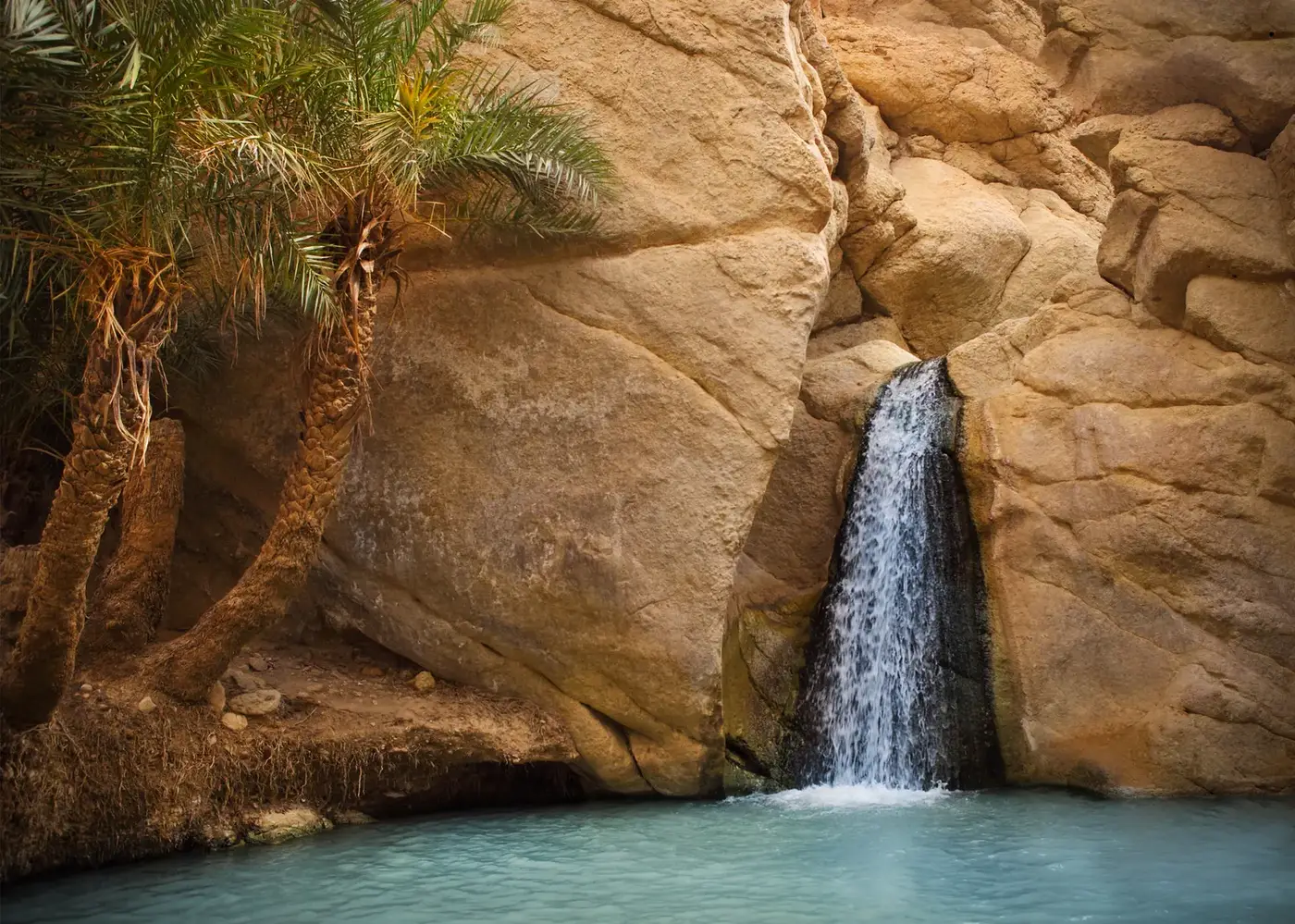
Chebika oasis in spring
Sousse beach in early summer

Early summer (June): our top pick

If we had to pick one month, it would be June. The sea hits 22–24°C and is reliably swimmable, the days are long (sunset around 8pm), the south is hot but not yet brutal, and resorts haven't filled with European school holidays. What to pack: swimwear, sun hat, light long sleeves for the desert. Crowds: low to mid. Prices: mid.

High summer (July–August): beach time

This is when Europeans flood in and prices peak. The coast is glorious — sea around 26–27°C, every beach club open, ferries running constantly to Djerba, festival season in full swing — but the deep south is genuinely hot (40°C+) and best avoided unless you're committed to early-morning desert excursions. What to pack: high SPF, beachwear, reservations made in advance. Crowds: high. Prices: high.
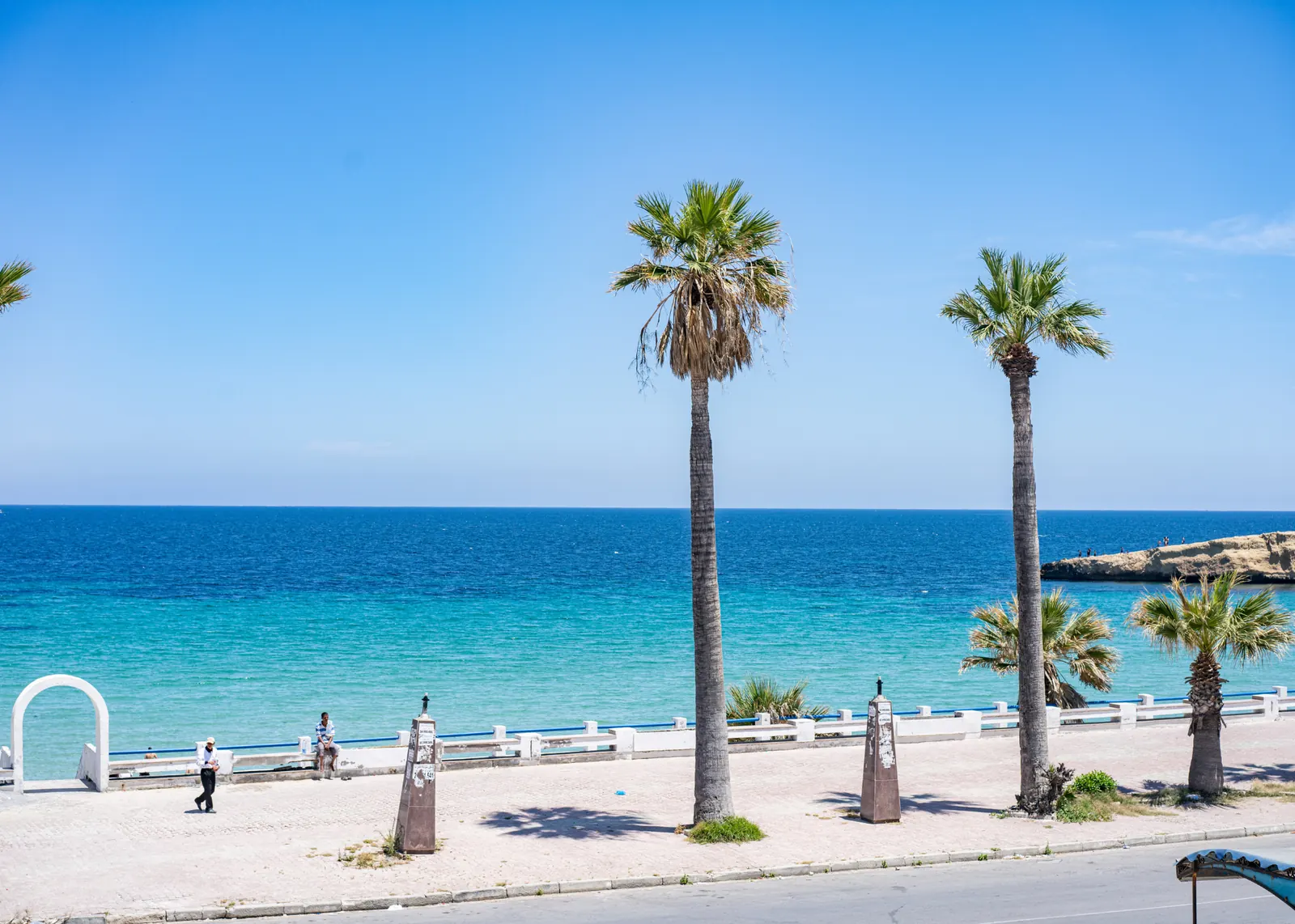
Hammamet beach in summer
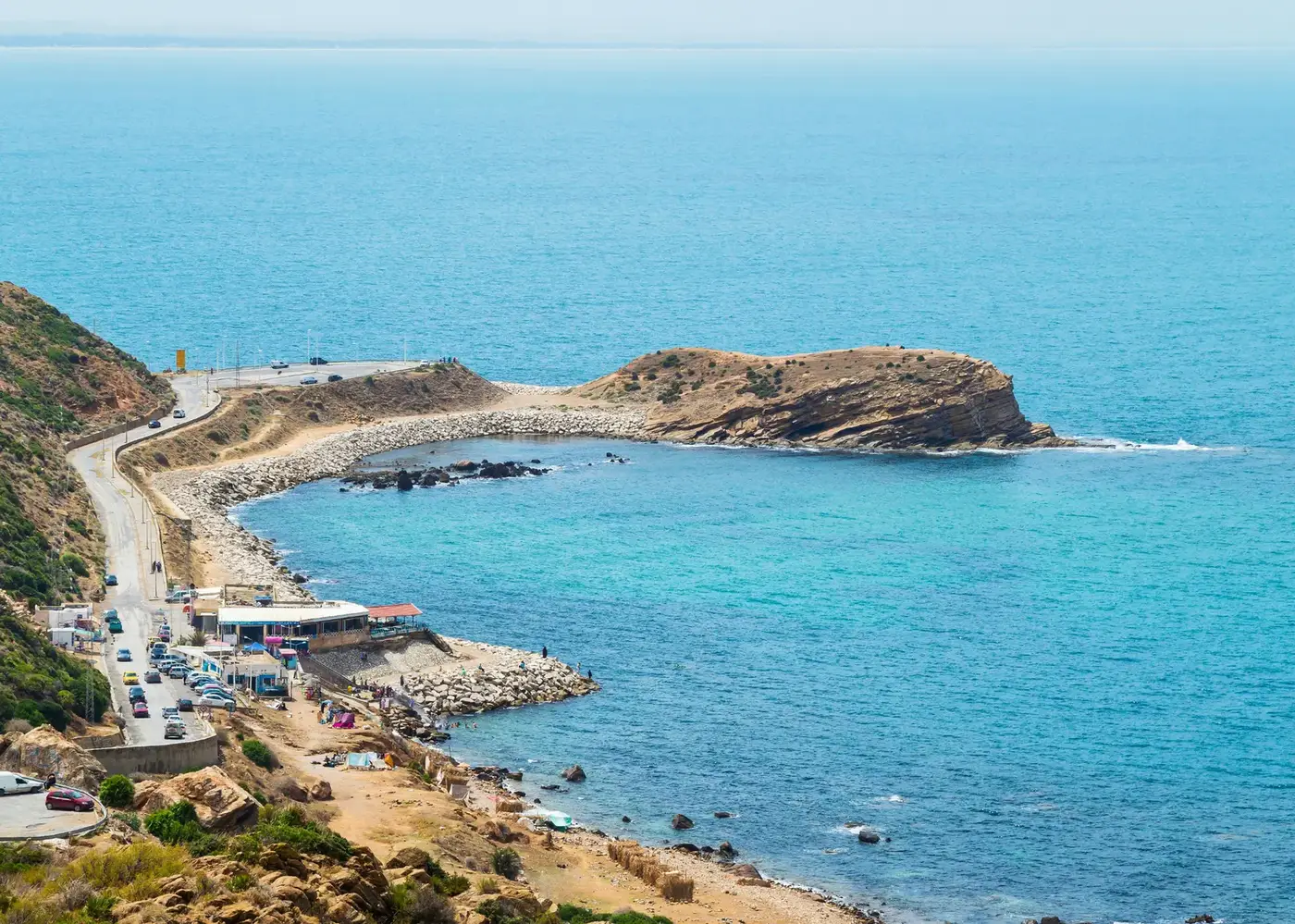
Northern coast in early autumn

Late summer & autumn (September–October): the sweet spot

Many regulars consider this the best time of year. The sea is at its warmest (often 25°C into mid-October), European holidays are over, prices drop noticeably from the second week of September, and the desert becomes pleasant again from late October. Days are still long, light is golden, and you'll often have small beaches to yourself. What to pack: swimwear, light layer for evenings after mid-October. Crowds: mid. Prices: mid.

Winter (November–February): the desert season

The coast cools to 15–18°C and the swimming stops, but this is exactly when Tunisia's south comes alive. Daytime temperatures in Tozeur and Douz hover around a perfect 18–22°C, the dunes glow in low winter light, and you can do a 4×4 desert circuit in comfort. The cities are quiet, hotel prices in Tunis and Hammamet drop sharply, and you'll have Carthage and El Jem almost to yourself. What to pack: warm layers, sturdy shoes for ruins, very warm clothes for desert nights (it can drop near freezing). Crowds: low. Prices: lowest of the year (except Christmas/NY).
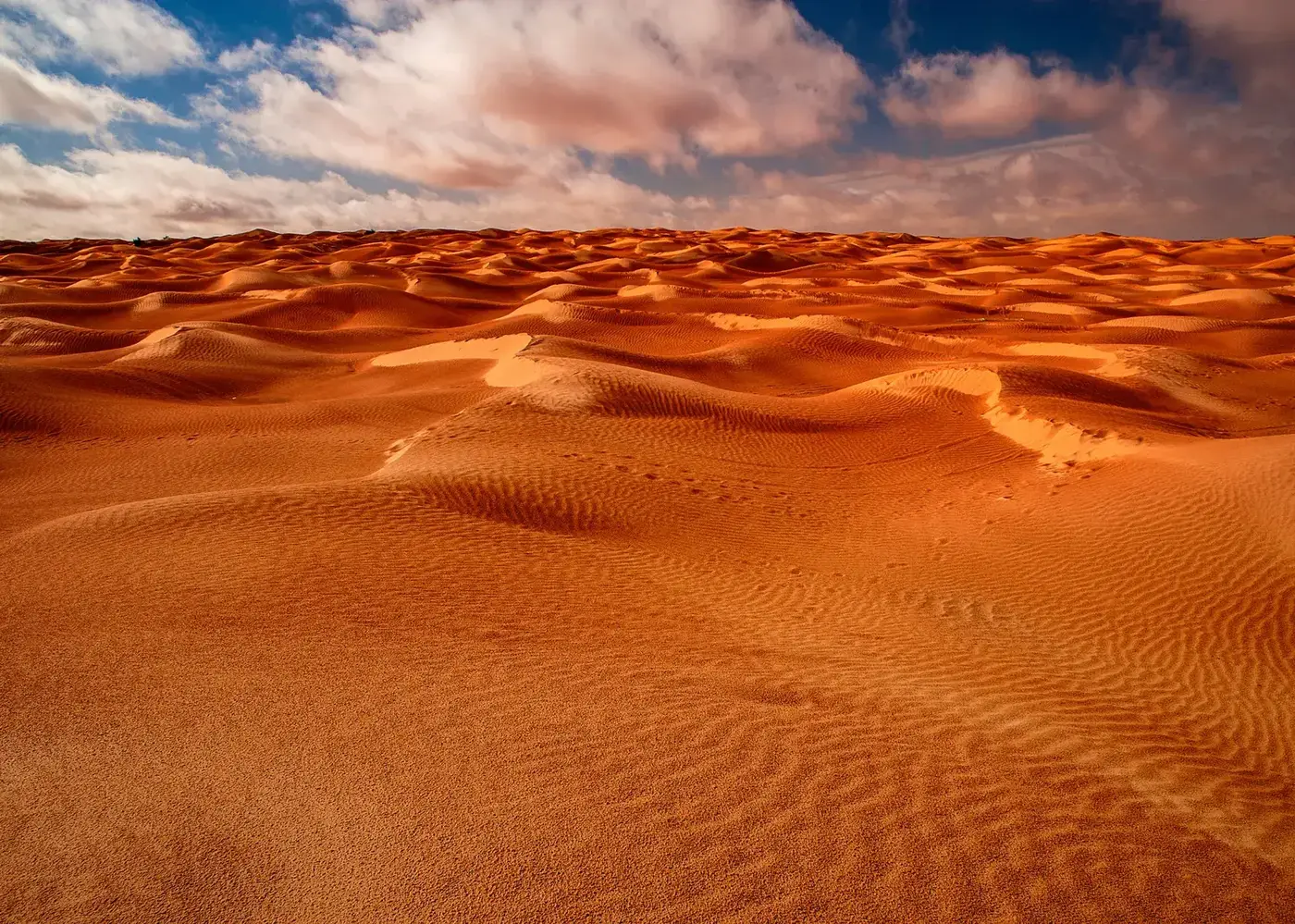
Sahara dunes in winter light

Festivals worth planning around

Carthage International Festival (July–August): Tunisia's biggest cultural event — concerts and theatre in the Roman amphitheatre of Carthage. International Festival of the Sahara (Douz, December): camel races, Bedouin poetry, traditional music — an unforgettable few days in the south. Testour Malouf Festival (June): Andalusian classical music in a charming Moorish-Spanish village. Medina of Tunis Ramadan Nights: during Ramadan (date shifts each year), the medina stays open late, lit with lanterns, with food stalls, music and a magical atmosphere. El Jem International Symphonic Festival (July–August): orchestras play inside the Roman amphitheatre — extraordinary acoustics and atmosphere.

Ready to plan your Tunisia trip?

Build a custom 3, 7 or 14-day itinerary in 60 seconds with our AI Trip Planner.