The headline act
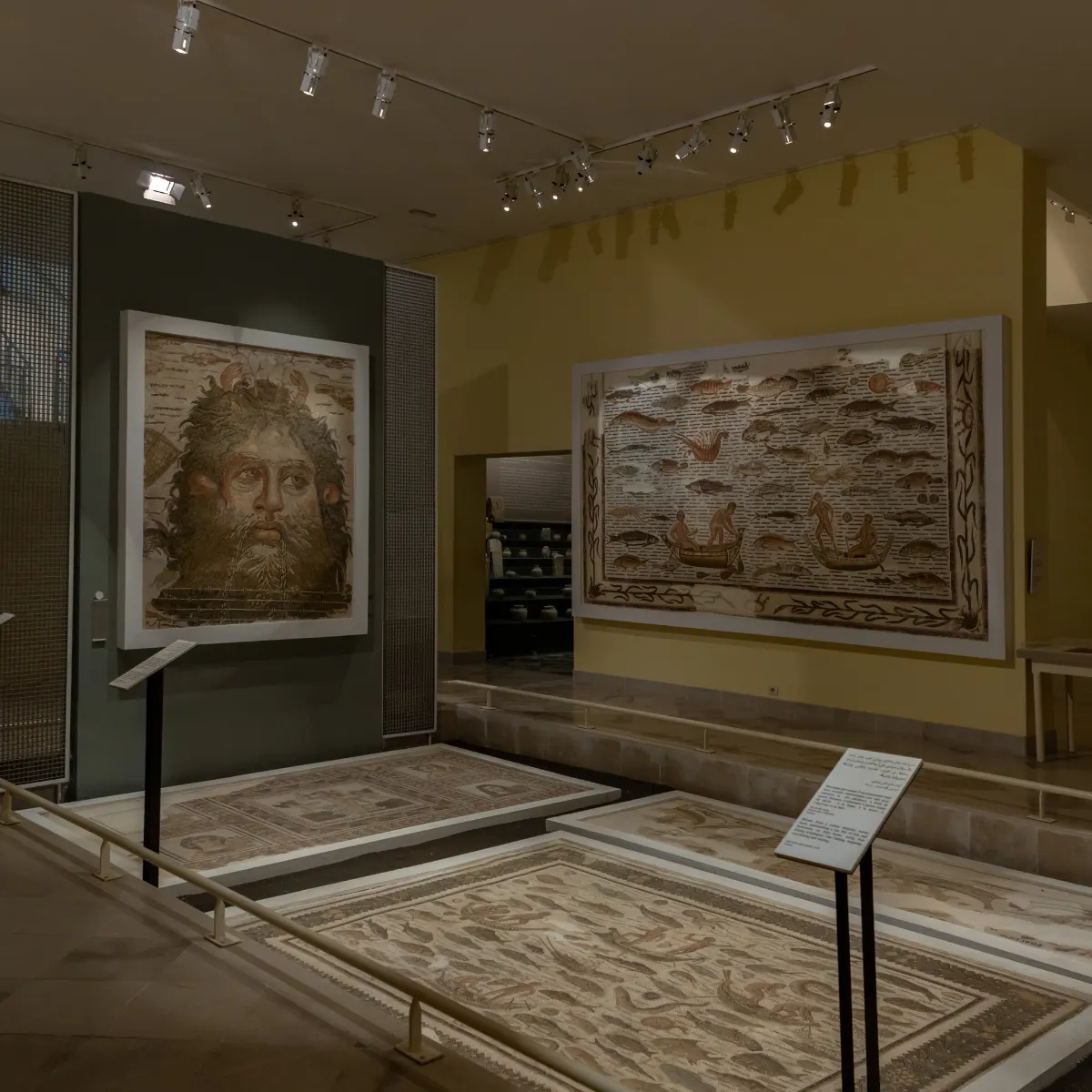
Bardo National Museum
Tunis
The world's finest collection of Roman mosaics, displayed in a 19th-century Beylical palace. Allow three hours — the Sousse, Dougga and Odyssey rooms alone justify the trip.
From Phoenician harbours to Roman amphitheatres, Aghlabid mosques to Ottoman palaces — Tunisia's culture isn't behind glass. It's on the streets, in the medinas, inside the museums and live every summer night under the stars.
Few countries this small carry this much layered history. In a single day you can walk a Punic port, lunch inside a 17th-century palace, listen to Andalusian classical music in an Aghlabid mosque town, and end the night at a film festival older than most European ones.
Ten museums most travellers leave Tunisia without seeing — and the one they shouldn't.
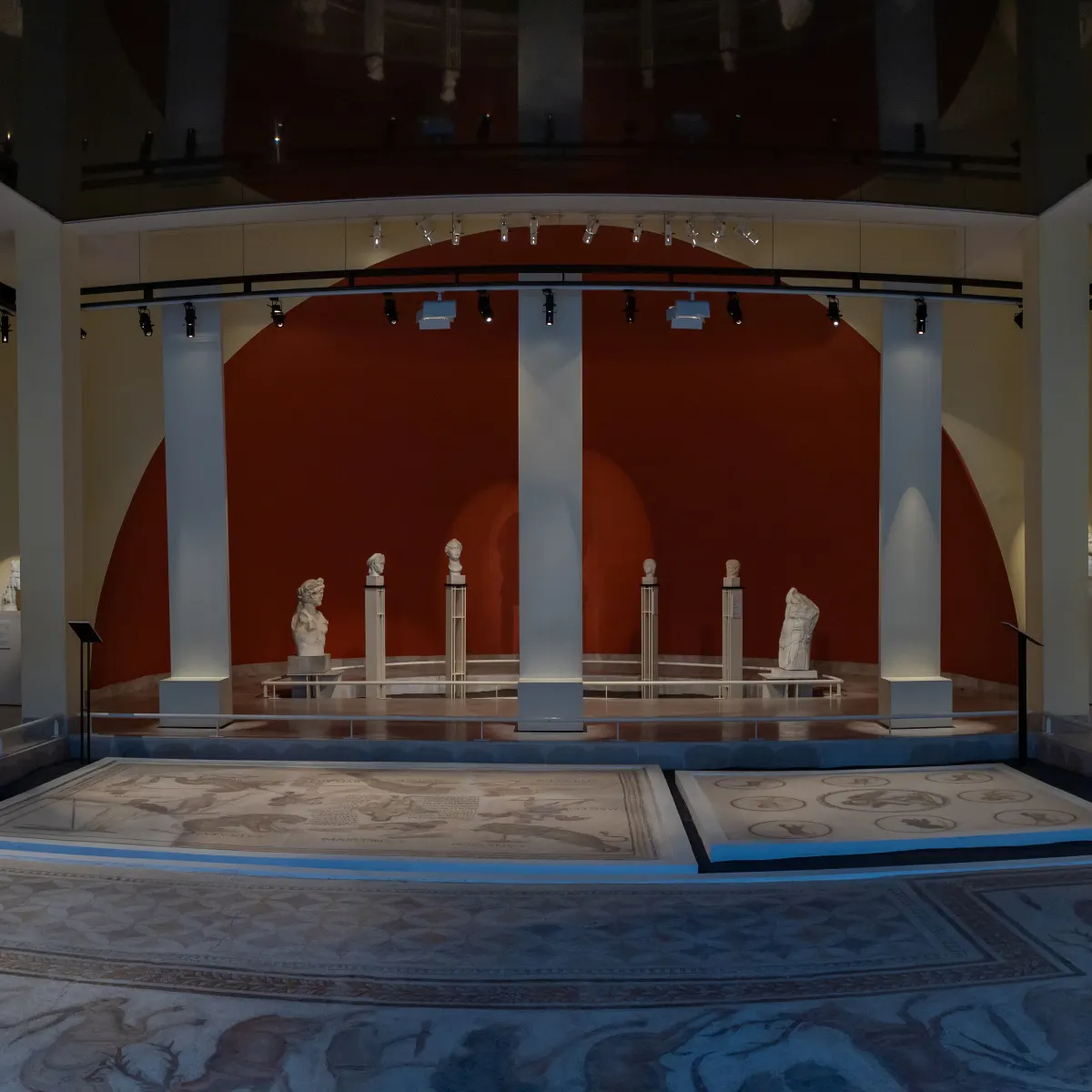
The world's finest collection of Roman mosaics, housed in a 19th-century Beylical palace just west of Tunis. Allow three hours.
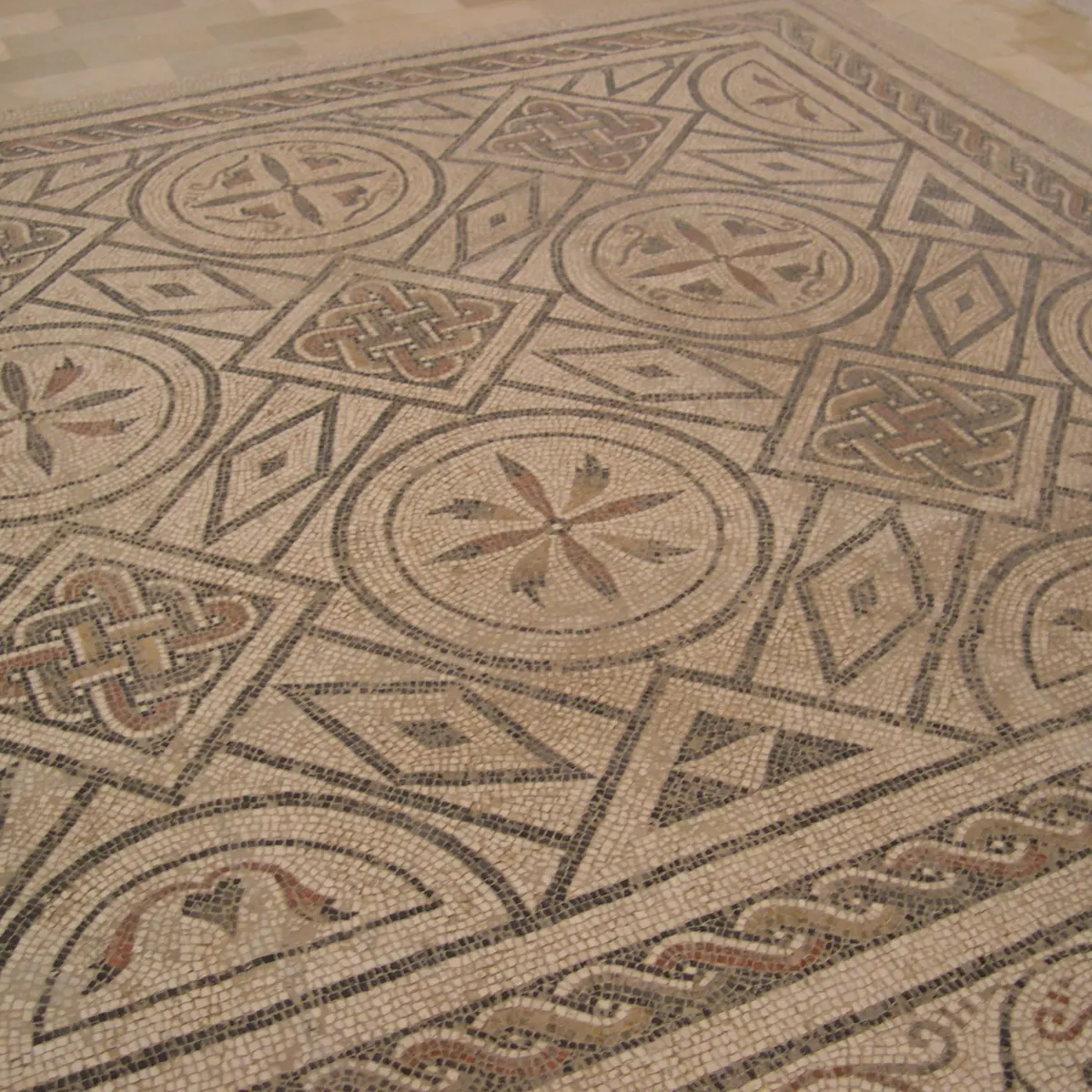
"If you visit only one museum in Tunisia, make it the Bardo."
Most museums close Mondays. Combined site + museum tickets often cost less than 13 TND.
The world's finest collection of Roman mosaics, displayed in a 19th-century Beylical palace. Allow three hours — the Sousse, Dougga and Odyssey rooms alone justify the trip.
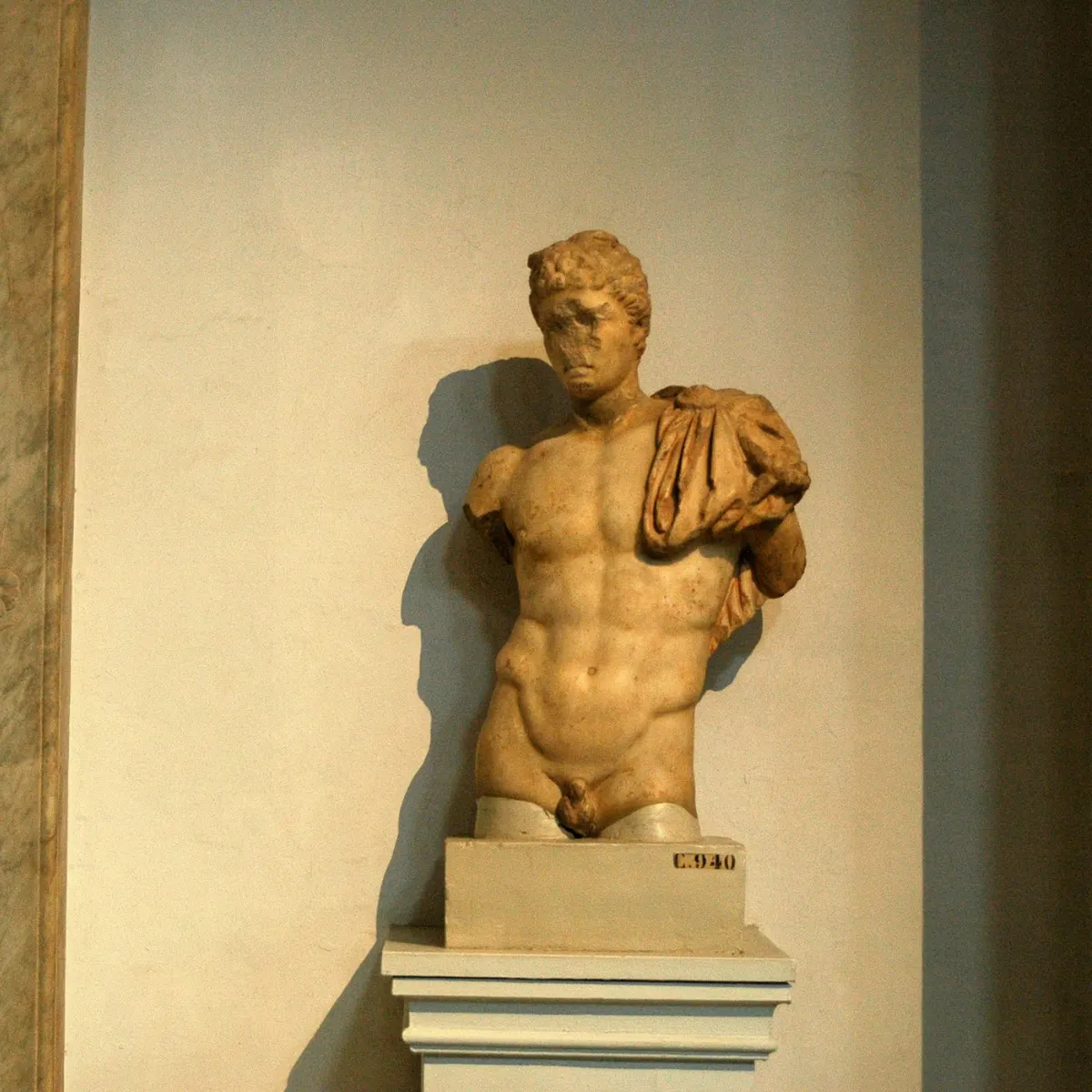
Punic sarcophagi, Roman busts and a panoramic view over the Bay of Tunis. Pairs naturally with the archaeological park below.
The country's second-best mosaic collection, recently restaged inside the medina's Kasbah — cinematic lighting, vast halls, fewer crowds.
Mosaics lifted from the villas of El Jem's Roman patrons — wealth on the floor, then on the walls. A perfect 45-minute companion to the amphitheatre.
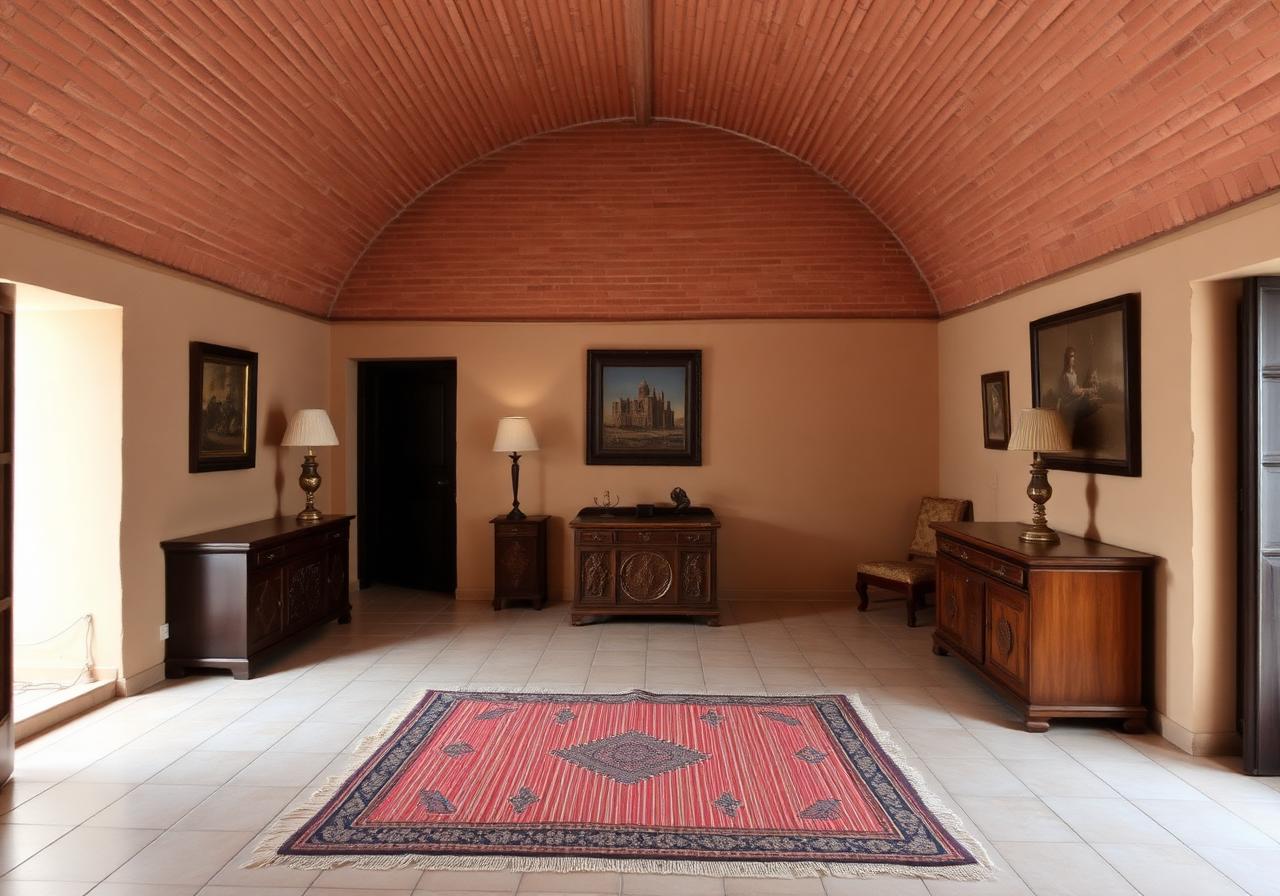
Tableaux of pre-1950 Tunisian life — weddings, baths, kitchens, ceremonies — staged inside a re-created oasis palace.
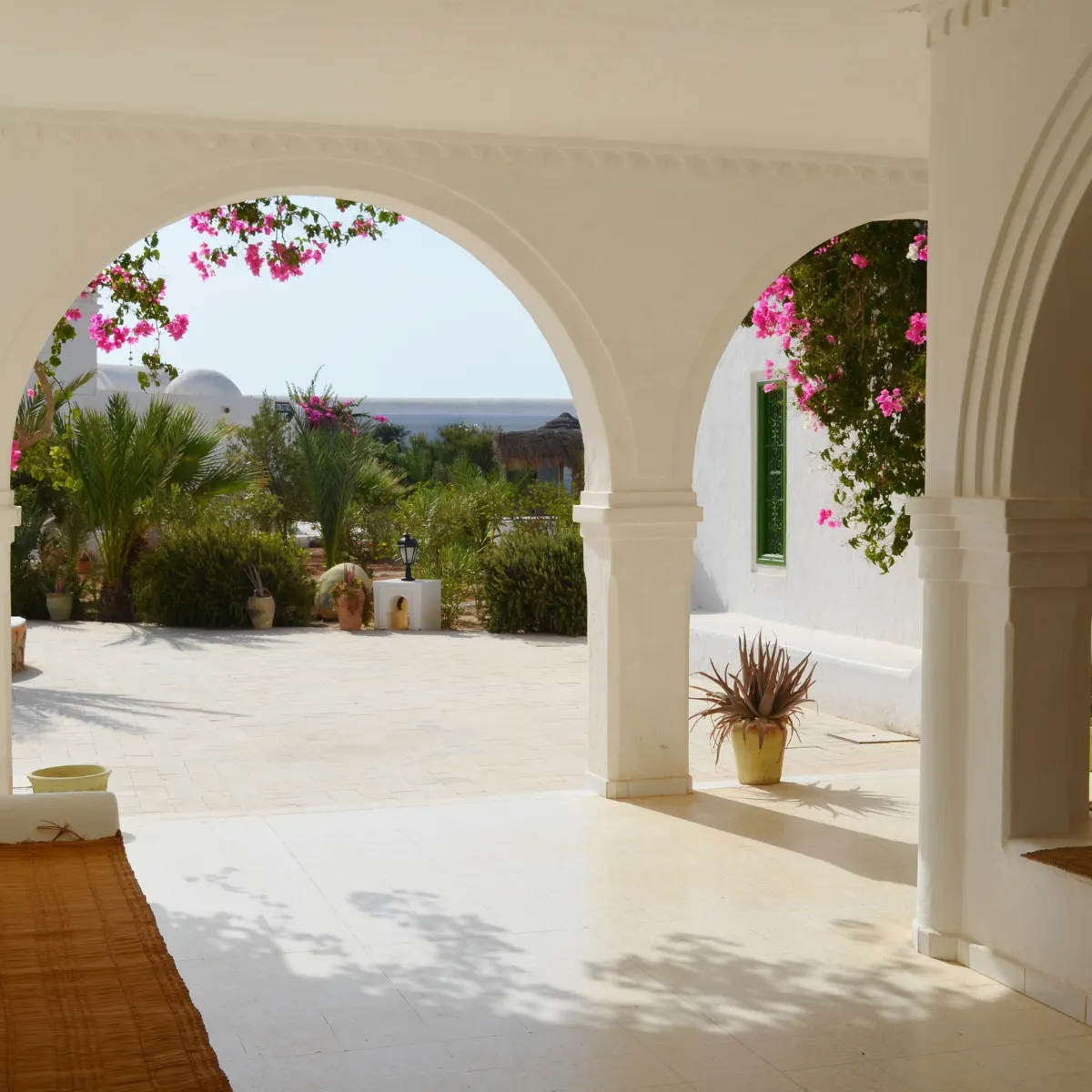
Life-size scenes of Djerbian customs: weddings, circumcisions, fishing seasons, henna nights — a warm, very local museum.
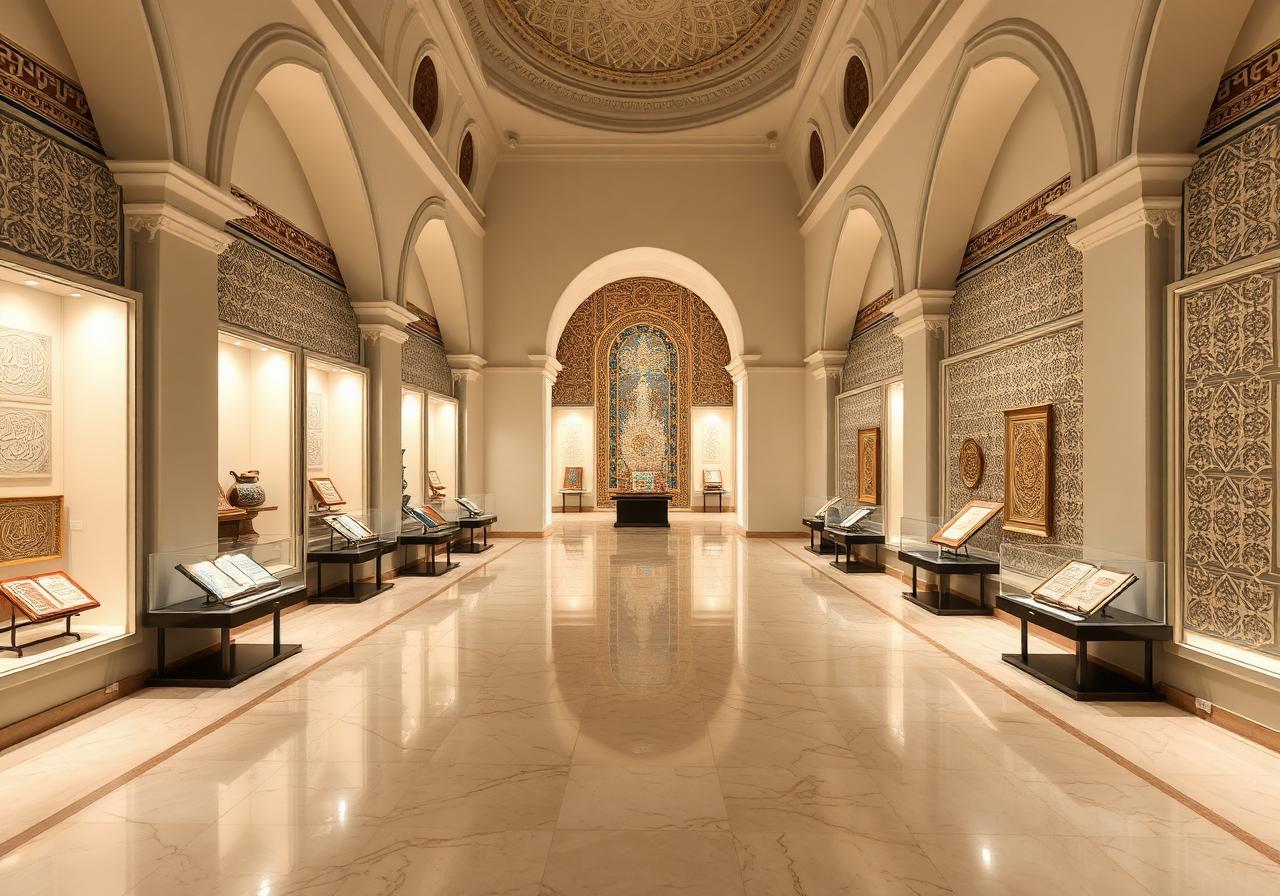
Fourteen centuries of Islamic art, from Cordoba to Isfahan, displayed in a Moorish villa. Surprising, beautifully curated.
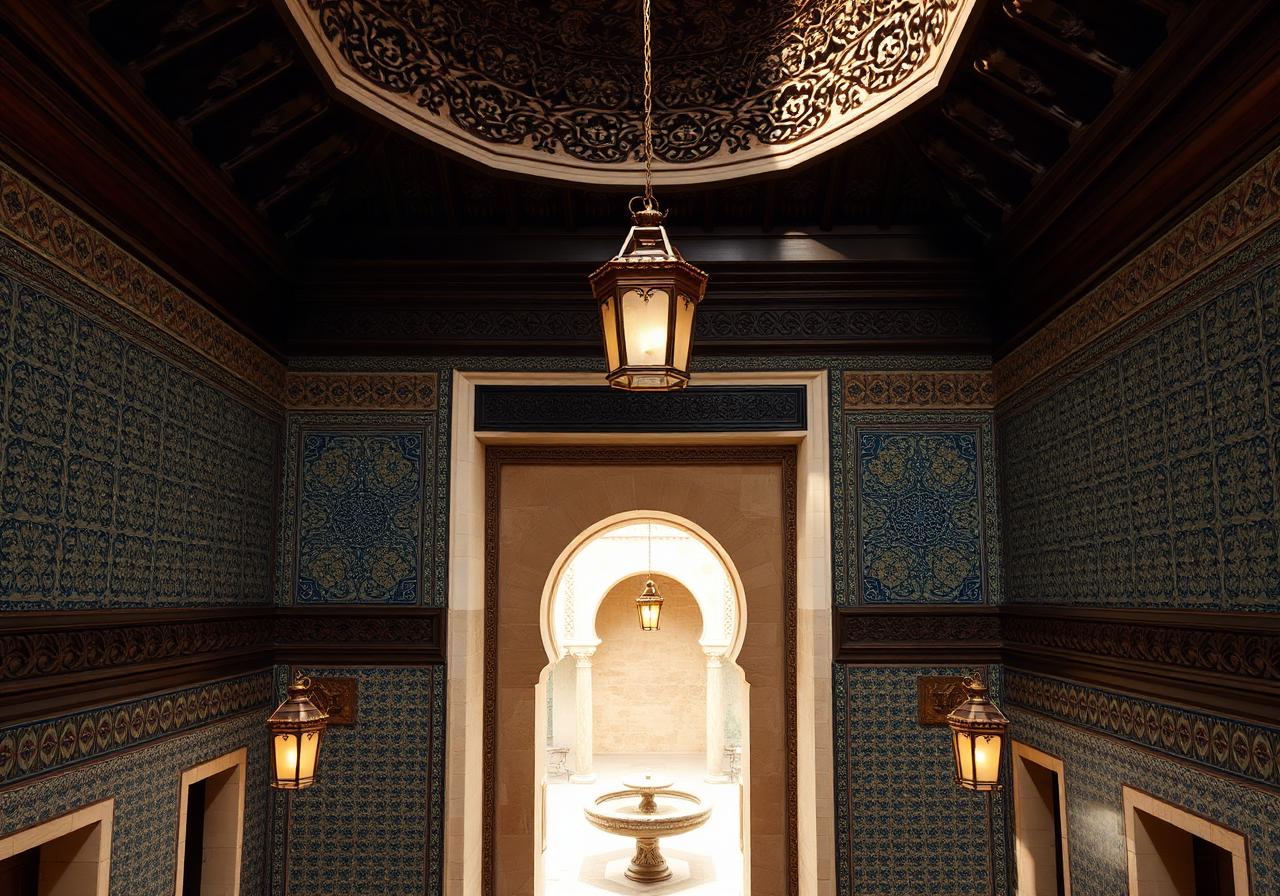
A 17th-century merchant's palace dripping with carved wood and tilework — half museum, half time machine into Ottoman Sfax.
Roman Tunisia produced more mosaics than anywhere else in the empire — and the craft never really stopped. Workshops in Nabeul, Sousse and El Jem still cut and lay tessera the same way, supplying restorers across the Mediterranean.
If your dates are flexible, build the trip around one of these. Most tickets land between 20 and 60 TND and only sell out for headline nights.
Berber heritage in the deep south — hilltop ksour, traditional music, camel parades. The most authentic spring festival in Tunisia.
Andalusian classical music in the Andalusian-founded town of Testour. Refined, intimate, deeply moving.
Cap Bon's centuries-old falconry tradition turned into a four-day celebration of birds, hunters and coastal cuisine.
International orchestras playing under the stars inside the world's third-largest Roman colosseum. Spine-tingling.
Small, intimate jazz scene running since 1973 in a coastal town crowned by a Genoese fort.
Open-air theatre, dance and jazz in a pine-shaded garden right on the Mediterranean. The classy summer ticket.
Classical drama in a 3,500-seat Roman theatre still in use after 1,800 years. Walk the forum at sunset, take your seat at dusk.
The country's flagship. 7,500 seats inside a Roman amphitheatre, headlining Arab and international acts.
Concerts in the cliff-top blue-and-white village. Worth combining with a sunset at Café Sidi Chabaane.
Classical concerts inside the Acropolium of Carthage — a deconsecrated 19th-century cathedral with extraordinary acoustics.
The oldest film festival in Africa and the Arab world. Founded in 1966 and still the defining showcase for Arab and African cinema.
Date harvest, Sufi music and palm-grove parades. A gentler, more rooted alternative to the desert festivals.
Four days of camel races, Saluki hunts, Bedouin poetry and desert weddings on the edge of the Sahara. Iconic.
Arab and African stage productions across the city — the JCC's quieter, sharper sibling.
After iftar: concerts, Sufi nights and poetry inside the old palaces of the Medina. Magic, only available 30 nights a year.
Dates shift each year — confirm on the official festival page before locking flights.
Not curated museum quarters — working medieval neighbourhoods where copper-beaters, perfumers, weavers and pastry chefs occupy the same lanes their grandfathers worked.
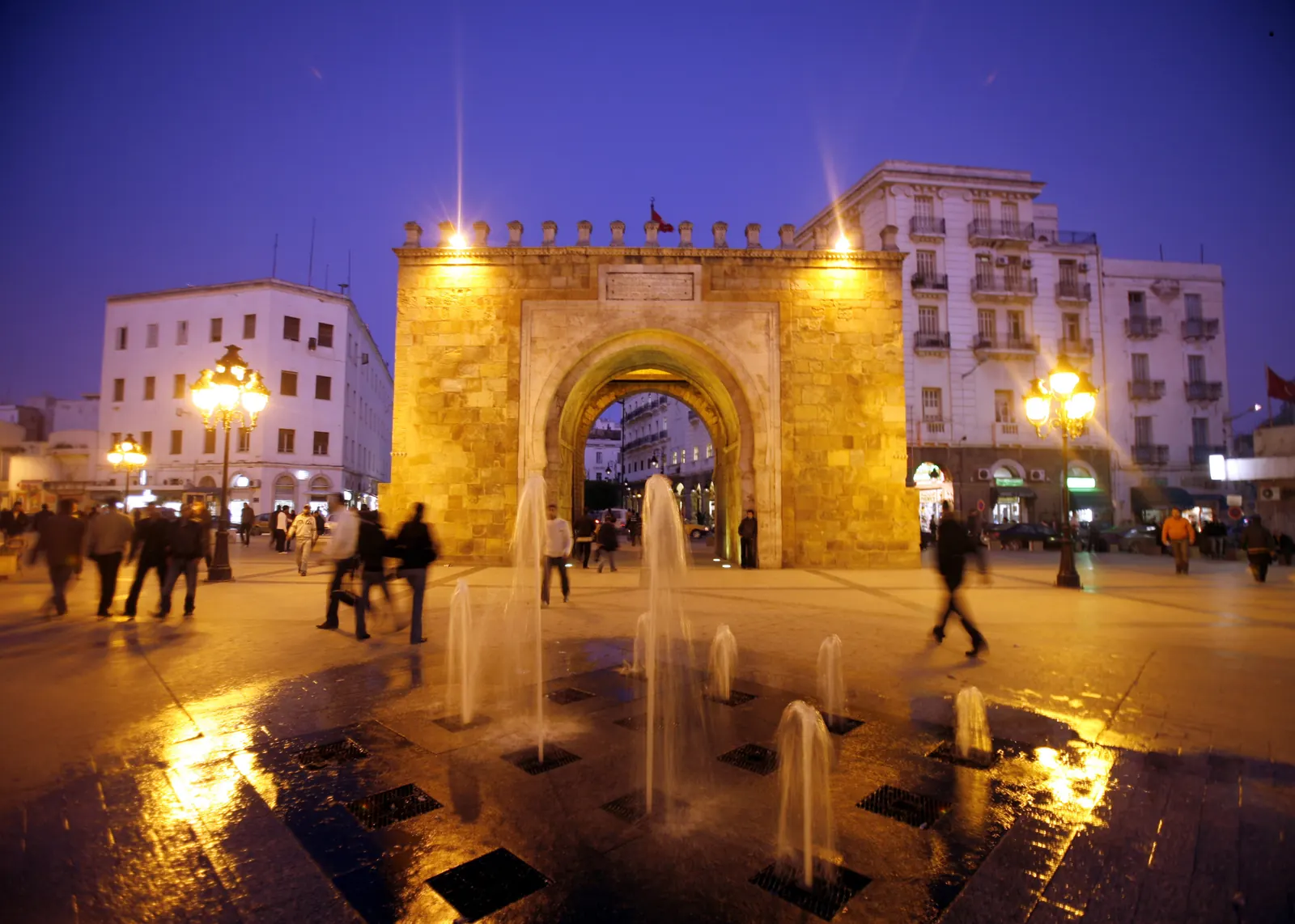
Founded in the 7th century, expanded under the Hafsids and Ottomans, UNESCO-listed since 1979. Around 700 monuments inside — mosques, madrasas, palaces, fondouks, hammams — woven through 15 km of lanes. Start at Bab el Bhar, walk west along the Souk el Attarine, past the Zitouna Mosque, then through the souks of fabric, copper, gold and books. Lunch in a converted dar; tea on a rooftop.
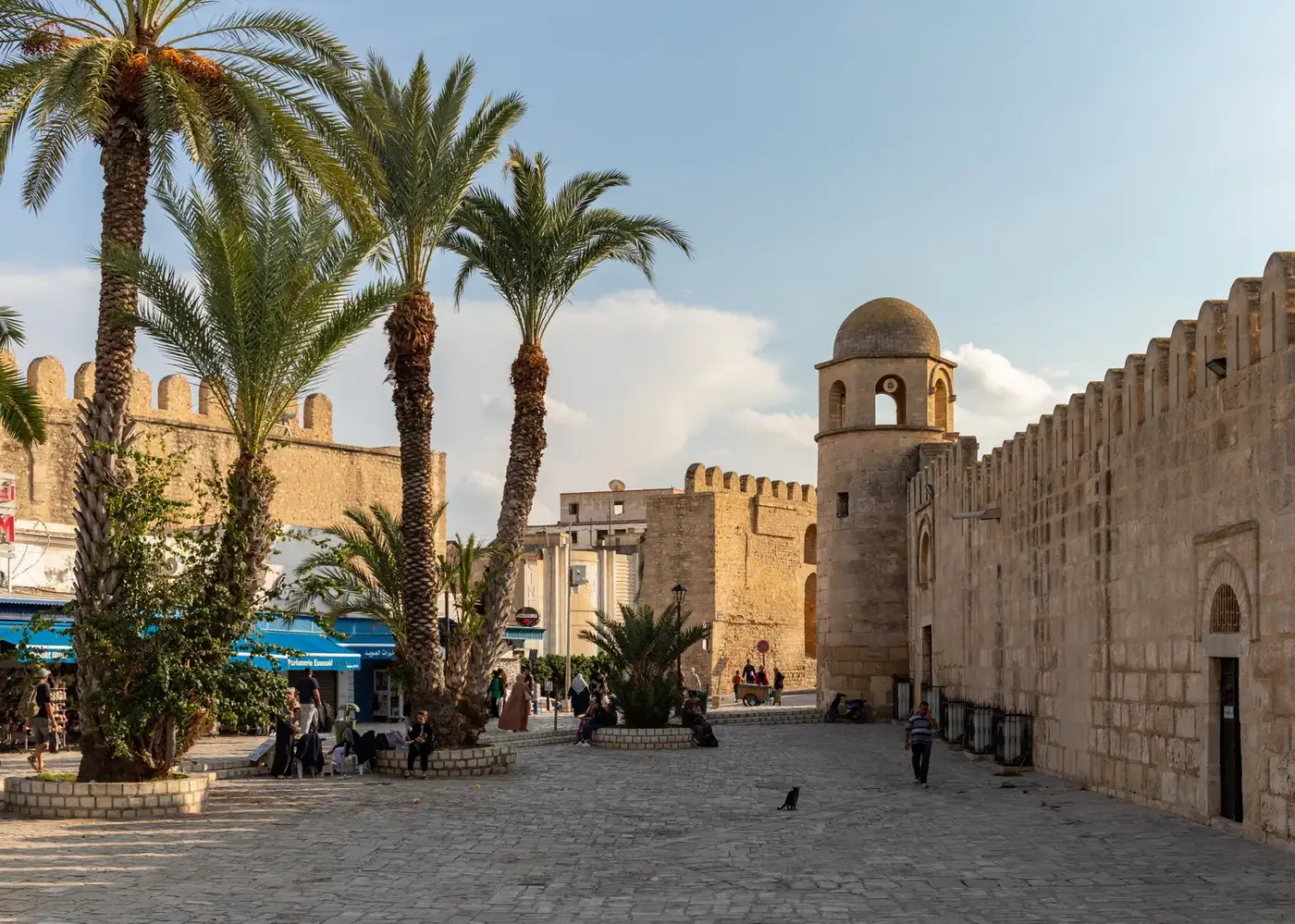
Smaller and easier to wander than Tunis. UNESCO-listed, with a beautiful 9th-century ribat you can climb for sweeping views of the medina, the sea and the city. The Great Mosque is austere and stunning. Perfect half-day from the central coast.
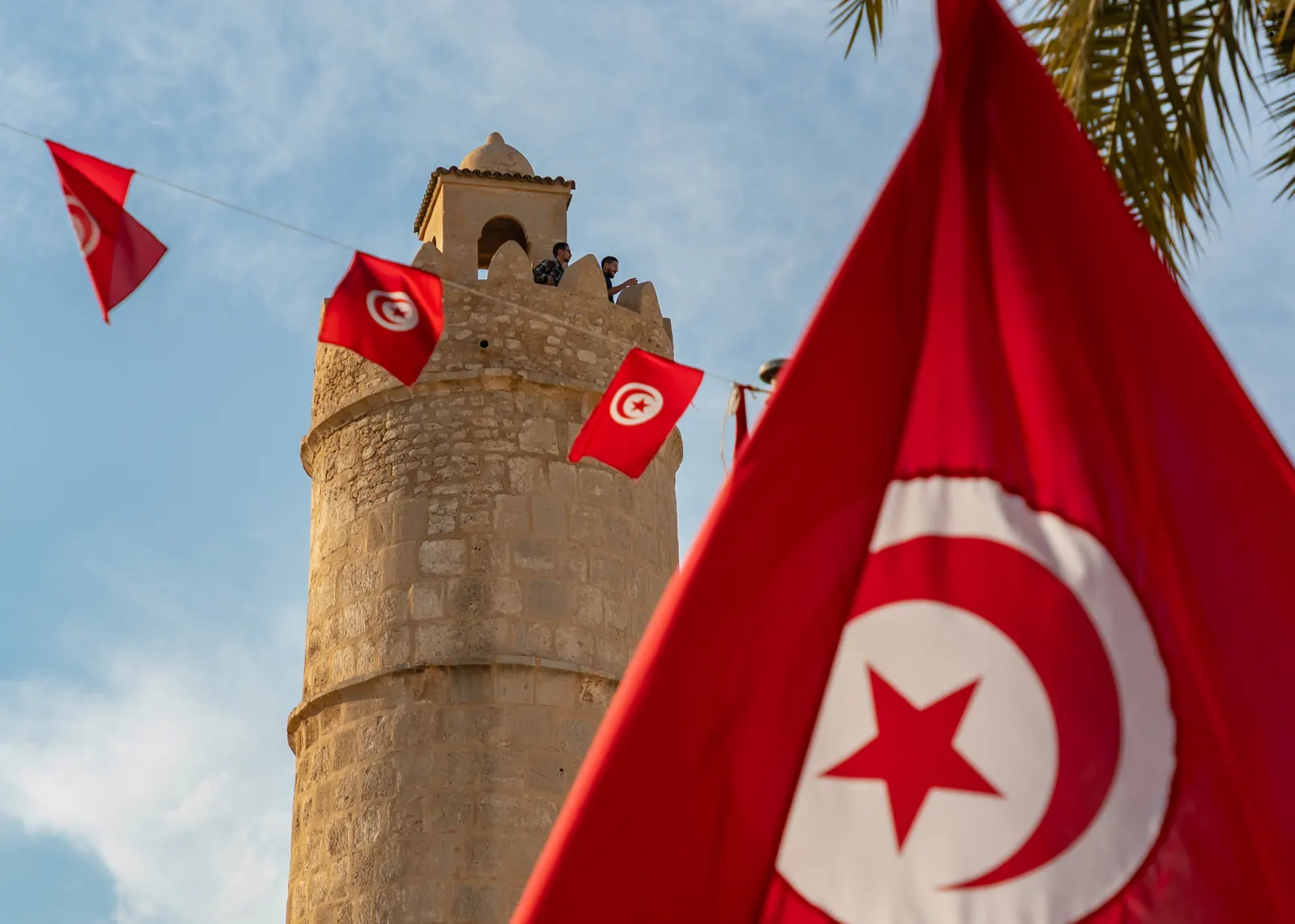
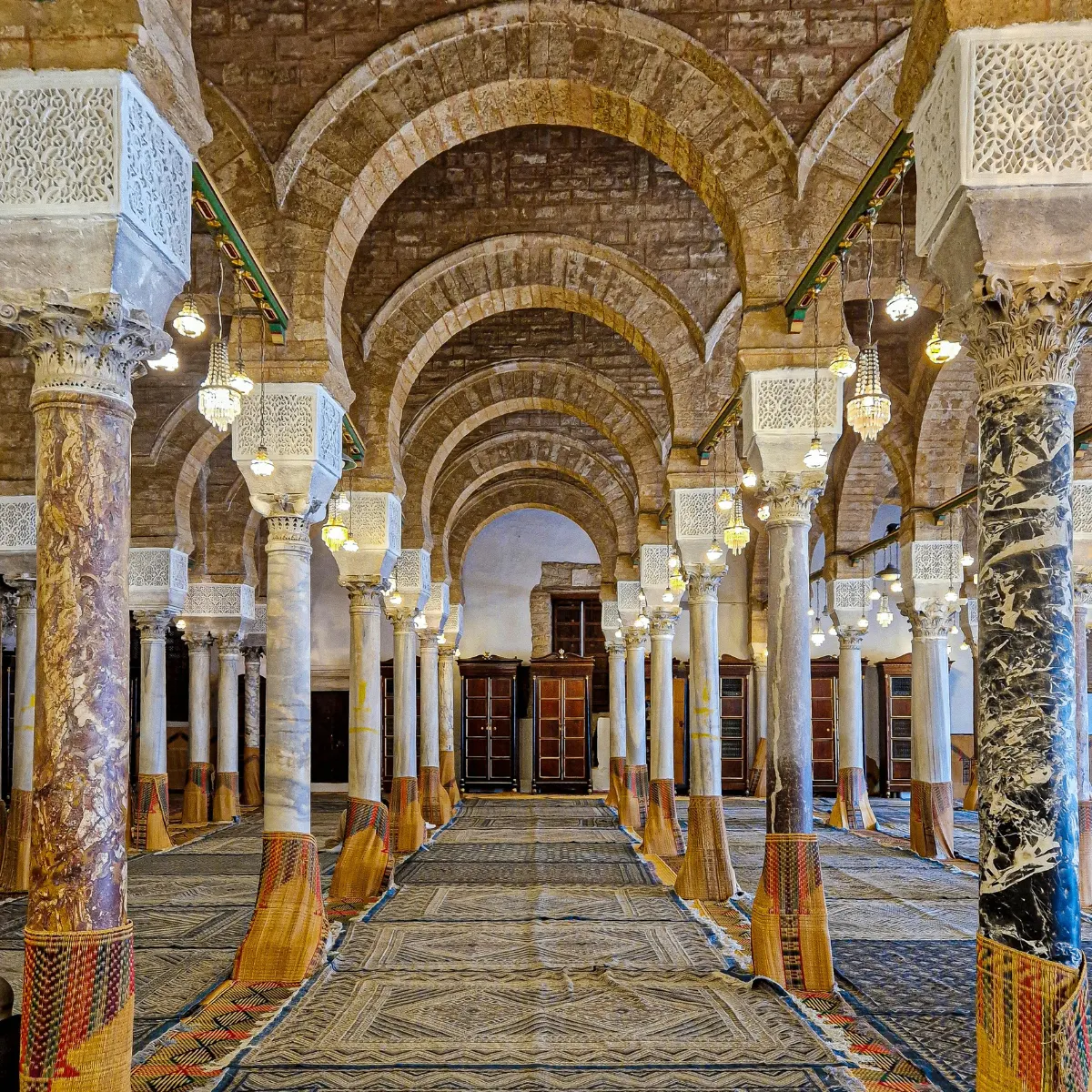
Fourth-holiest city in Islam, founded 670 AD. The Great Mosque is one of the oldest in the world — vast courtyard, recycled Roman columns, a 9th-century minaret. The whitewashed medina around it is quieter than Tunis and home to the country's best carpet workshops. Don't leave without trying makroudh.
Loading operators…
Skip-the-line entry, expert guides and day trips across Tunisia's UNESCO sites and museums.
Powered by GetYourGuide. We may earn a commission on bookings — at no extra cost to you.
Tell our Smart Trip Planner what you love — Roman ruins, festival nights, medina lunches — and get a day-by-day route with hand-picked stays and transfers.