etunisie
etunisie
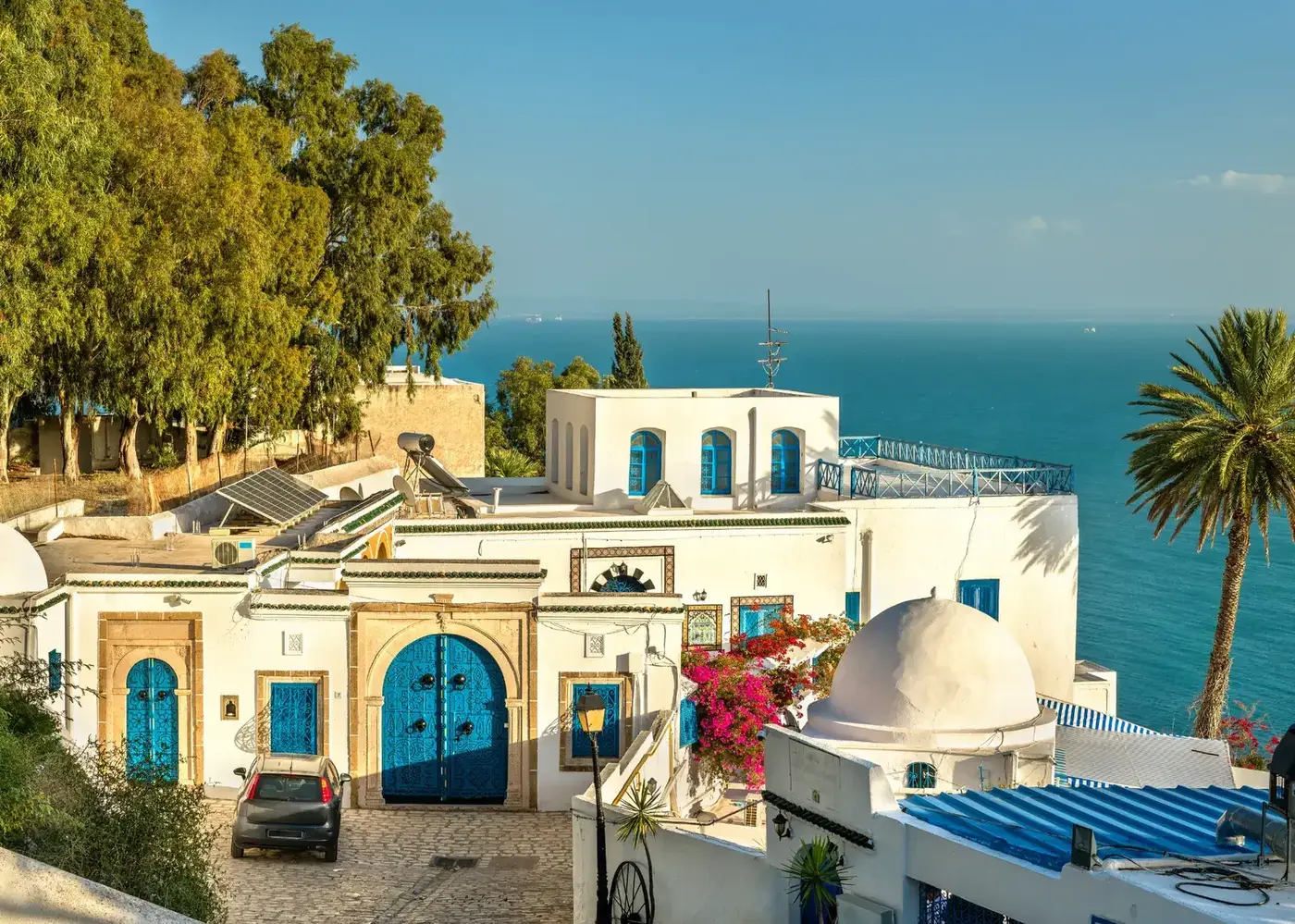
Sidi Bou Said village
Plan Your Trip

FAQs: everything first-time visitors ask

The questions our team gets every week, with honest answers. If you have one we haven't covered, ask us — we add to this page constantly.

Safe
For tourist circuit
230V
EU plugs (C/E)
No
Vaccines required
Bolt
Local Uber-equivalent

Is Tunisia safe?

Yes, for the standard tourist circuit (Tunis, Carthage, Sidi Bou Said, Hammamet, Sousse, Mahdia, Djerba, Tozeur, the Sahara). Comparable to most southern European destinations. Tourist police presence in major sites; very low rates of violent crime against visitors. The areas your government may flag are remote border zones (the Algerian and Libyan land borders, the Chaambi mountain region in the centre-west). No standard itinerary goes anywhere near these. See our full Safety & Health page.
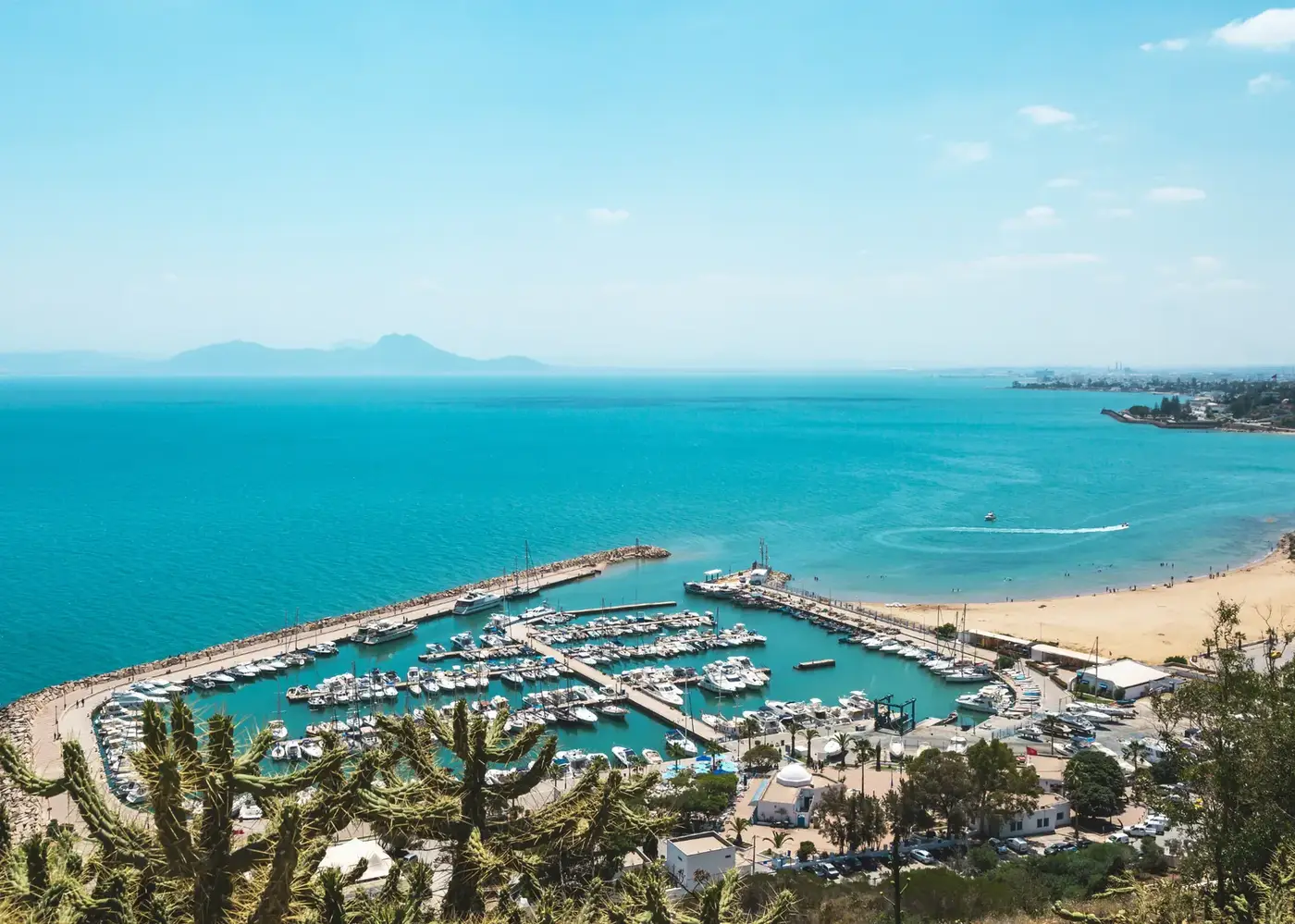
Tunis port at sunset

Is alcohol available?

Yes, in licensed restaurants, hotel bars and dedicated counters at major supermarkets. Tunisia is a Muslim-majority country with a long secular tradition; consumption is discreet and concentrated in tourist and hotel venues rather than public spaces. During Ramadan, service is reduced or suspended in many venues outside hotels.

What about women travelling alone?

Tunisia is one of the easier countries in the region for solo female travellers. Tunisian women work, drive, run businesses, sit on café terraces and travel — visitors who do the same blend in. You'll get some attention in medinas (compliments, occasional propositions). A polite, brief 'la, shukran' (no, thank you) and continuing on works well. Dress is relaxed in tourist zones, the capital and along the coast — sundresses, shorts and swimwear are normal at the beach. In Kairouan and rural inland villages, more conservative dress (covered shoulders, knee-length) is appreciated. Use Bolt rather than negotiating with taxis at night. Stick to well-lit areas after dark. Standard travel sense — nothing more dramatic.

Do I need cash?

Yes — more than you'd think. Cards work at 4-star+ hotels, mid-range and upscale restaurants, supermarkets and major shops. They do NOT work at souks, taxis (except Bolt), small cafés, louages (shared vans), most desert camps and most museums. Carry 100–300 TND in cash daily. ATMs are everywhere; the daily withdrawal limit is typically 400–600 TND per transaction. The dinar is a closed currency — change a small amount on arrival, top up via ATM as you go, and exchange the leftover back to euros at the airport on departure (you'll need the original exchange receipt).

What's the internet / phone situation?

4G coverage is good in cities and along the coast, patchy in the deep south. Tourist SIM cards (Ooredoo and Orange) at the airport: €8–€15 for 20–30 GB and a month of use. Buy on arrival. Wi-Fi at hotels: standard at 3-star+ but often slow. Don't count on it for video calls. The 4G SIM is more reliable. In the desert, expect very limited or no signal at most camps — bring a Kindle.
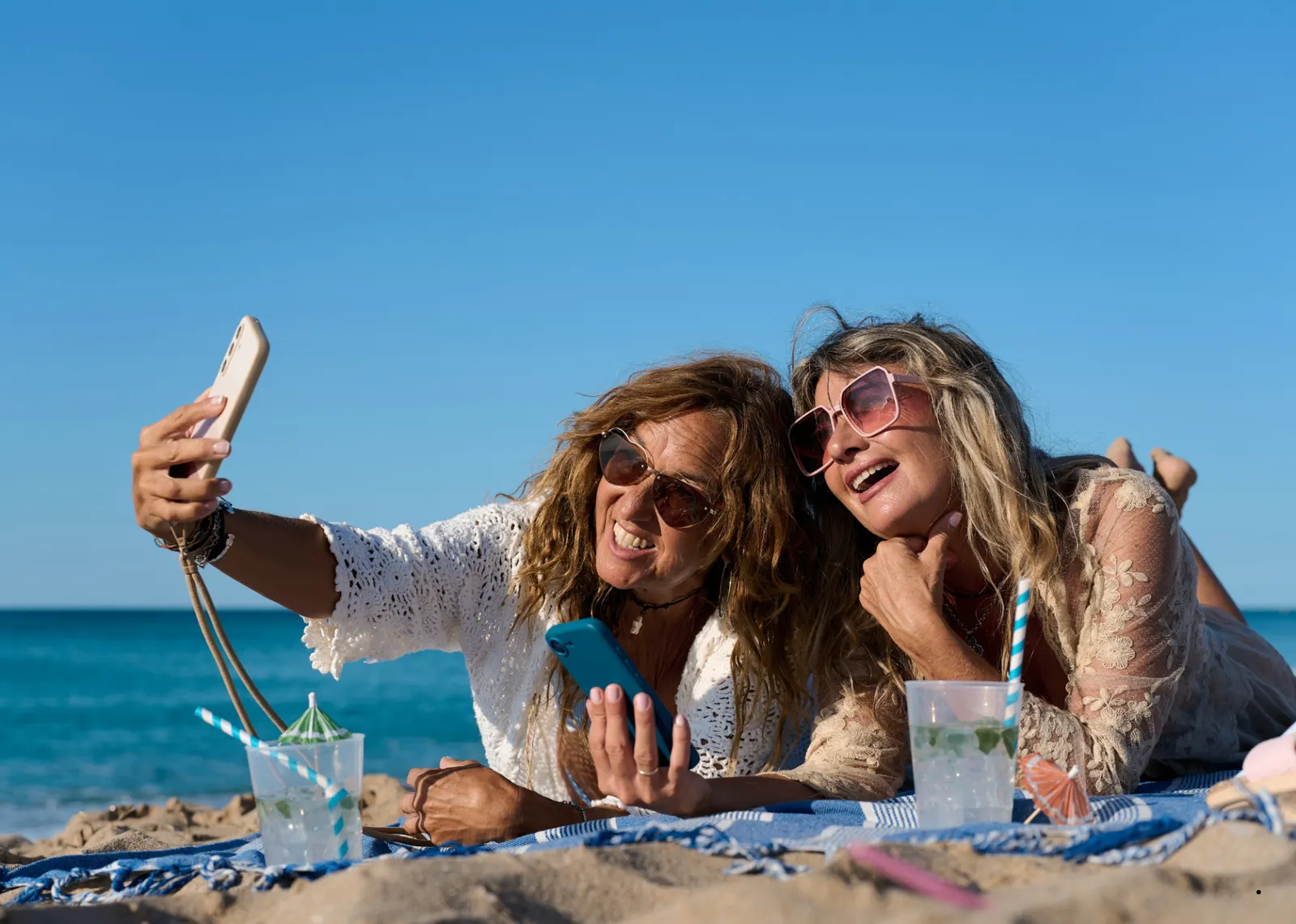
Two friends taking a selfie on a Tunisian beach with their phones

Tap water — can I drink it?

In Tunis, Sousse, Hammamet, Sfax and major cities the tap water is treated and considered safe to drink. Most travellers (and many Tunisians) prefer bottled for taste — the chlorination is heavier than in Europe. In rural areas and the south, stick to bottled or filtered water. A reusable bottle with a filter (LifeStraw, Grayl) is a sustainable solution. Ice in good restaurants and resorts is made from filtered water and is fine. Salads in good restaurants are fine.

How do Tunisians feel about tourists?

Genuinely warm. Tourism is a major part of the economy and a source of national pride, and Tunisians are famously hospitable — being invited for tea by a shopkeeper, a stranger giving you directions for ten minutes, kids waving at you across a square. This is normal. A few words of Arabic, modest dress where appropriate, patience with the slower pace, and a willingness to bargain good-humouredly all return the warmth tenfold.

What's the electricity?

230V, 50Hz. Plugs are Type C and Type E — the same as France, Germany and most of continental Europe. UK and US visitors need an adapter. Charging USB devices is universal — every hotel has standard outlets and many have USB ports built into bedside lamps.

Ready to plan your Tunisia trip?

Build a custom 3, 7 or 14-day itinerary in 60 seconds with our AI Trip Planner.