etunisie
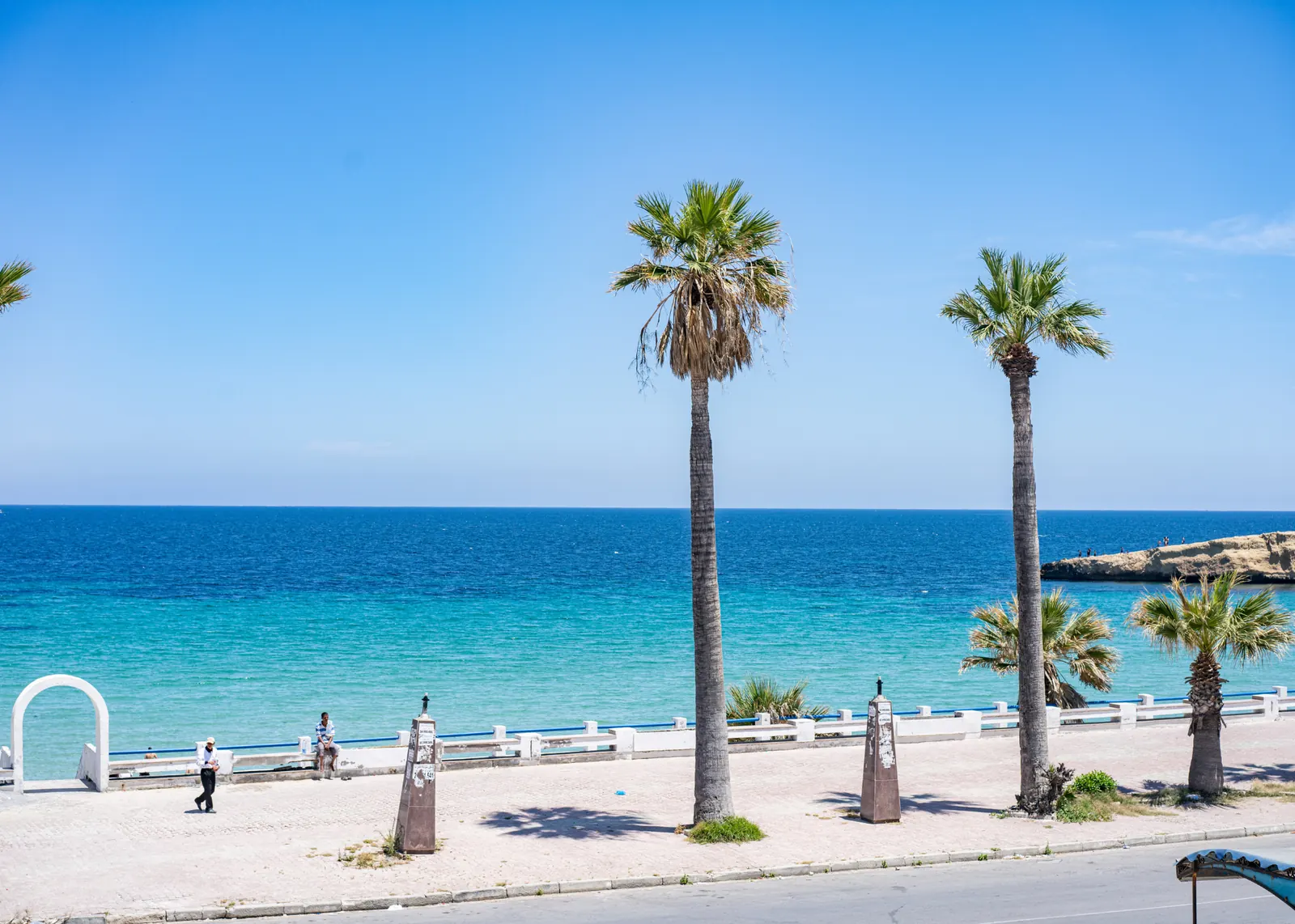
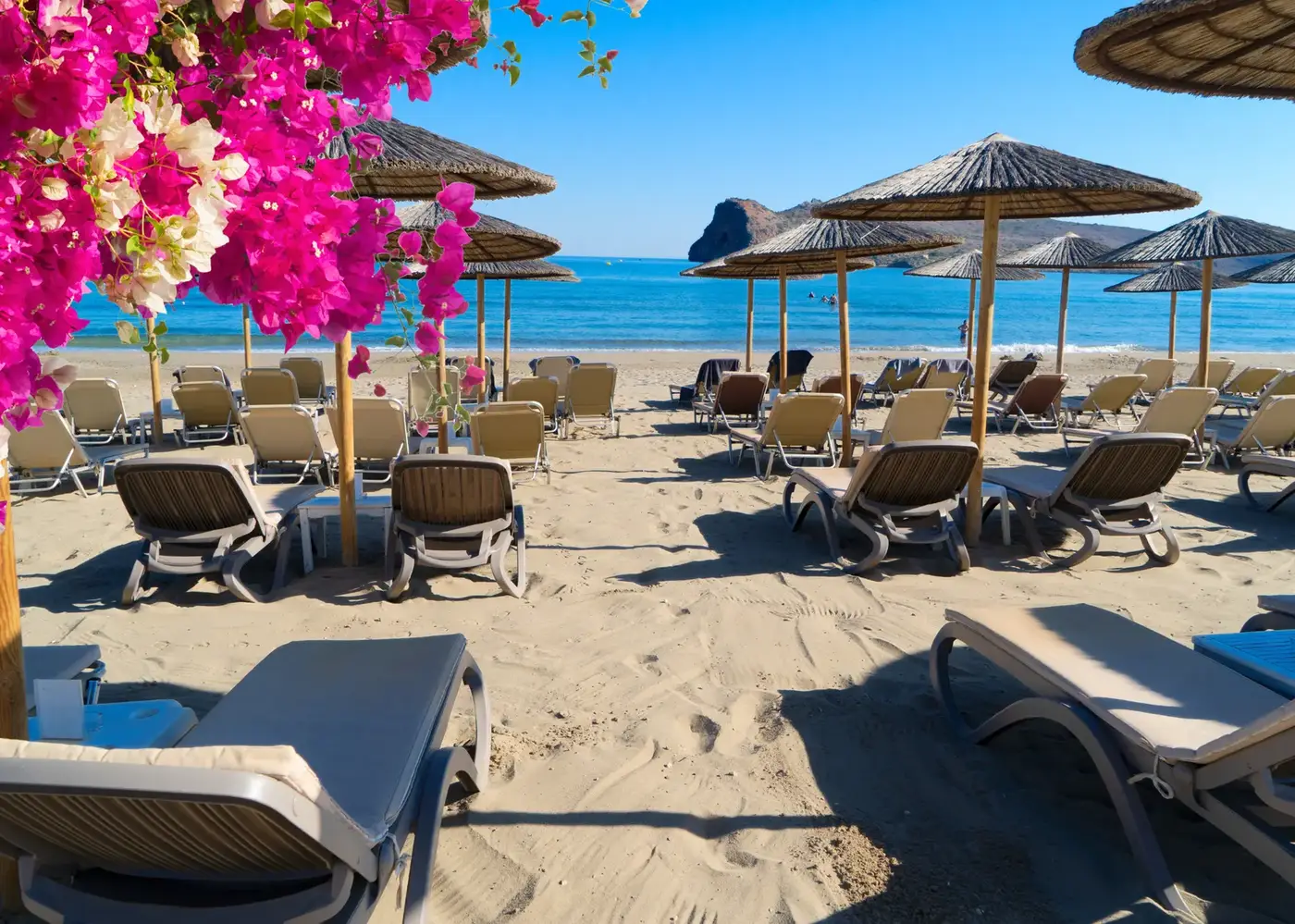
Calm pale sand and turquoise sea on a Tunisian beach
Things To Do

Beaches: 1,300 km of Mediterranean choice

Tunisia has more coastline than Greece, with sand that ranges from fine pale gold to wild ochre dunes meeting pine forests. Here are the beaches actually worth planning a day or a holiday around — and what they're like.

1,300 km
Of coastline
26°C
Avg. summer sea temp
May–Oct
Swimming season
Free
Most public beaches

Hammamet Bay — the long, easy classic

A 14 km crescent of pale sand, gradual sea-bed, palm-fringed promenade. The northern end (old Hammamet) is closer to the medina and the cafés; the southern end (Yasmine Hammamet) is fronted by big resorts with their own loungers. Public beach access points all along. Who it suits: families, first-timers, anyone who wants to walk for an hour barefoot at sunset.
The long pale crescent of Hammamet Bay
The Sahel beaches of Sousse, Port El Kantaoui and Mahdia

Sousse, Port El Kantaoui & Mahdia

The central coast (the 'Sahel') has the longest swimming beaches in the country — wide, fine, well-maintained. Sousse's city beach (Boujaffar) is busy and lively in summer; Port El Kantaoui's marina-side strands are calmer; Mahdia, an hour south, has the most beautiful and least developed beach of the three. The Mahdia beach, in particular, runs uninterrupted for around 20 km — book a hotel on it.

Djerba — shallow turquoise everywhere

The eastern coast of Djerba (Sidi Mehrez to Aghir) is the safest swimming on the Tunisian coast — sea-bed shelves so gradually that small children can wade out 50 metres in waist-deep water, and the sand is fine and pale. The western coast (Sidi Yati, La Seguia) is quieter and more local. Who it suits: families with toddlers, and anyone who wants reliably warm water late into October.
Djerba's shallow turquoise eastern coast

Sidi Bou Said & La Marsa — the city beaches

The northern Tunis suburbs have small but charming beaches: La Marsa Plage is wide and lively (especially weekends), Gammarth has resort frontage, and the small coves below Sidi Bou Said are pure postcard — turquoise water under whitewashed cliffs, with seafood lunch waiting up the hill. Who it suits: city-break travellers, weekenders, anyone basing in Tunis.

The wild north — Cap Serrat, Cap Negro, Tabarka

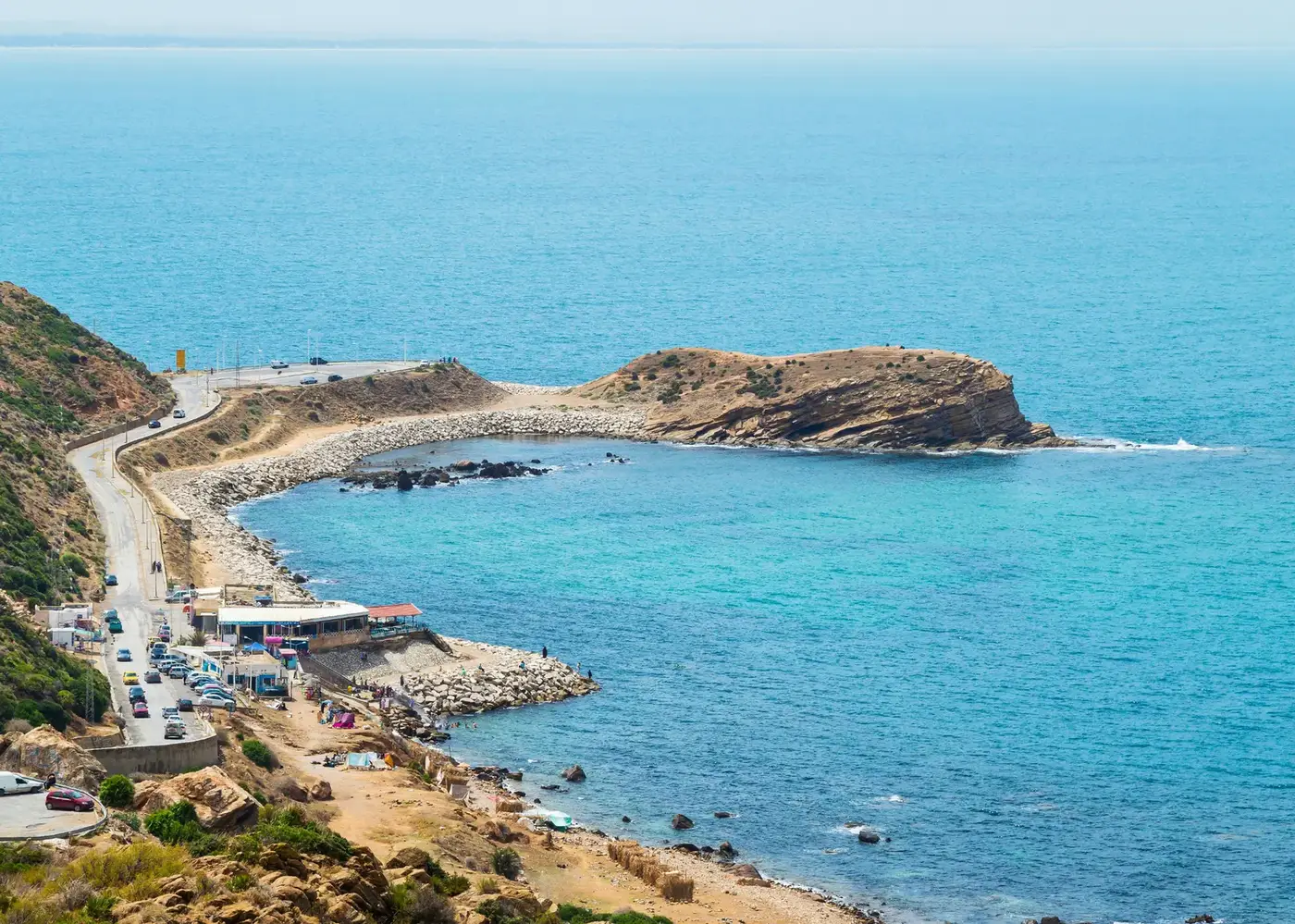
Far less developed and stunning. The far north has pine forests rolling down to ochre cliffs and small empty bays — Cap Serrat, Sidi Mechreg, Sidi Mansour. Tabarka has a town beach plus the famous offshore Aiguilles (the 'Needles') that are a draw for divers. Who it suits: independent travellers, second-time visitors, anyone with a rental car. Best in May, June, September.
The wild northern coast

What to know before you go

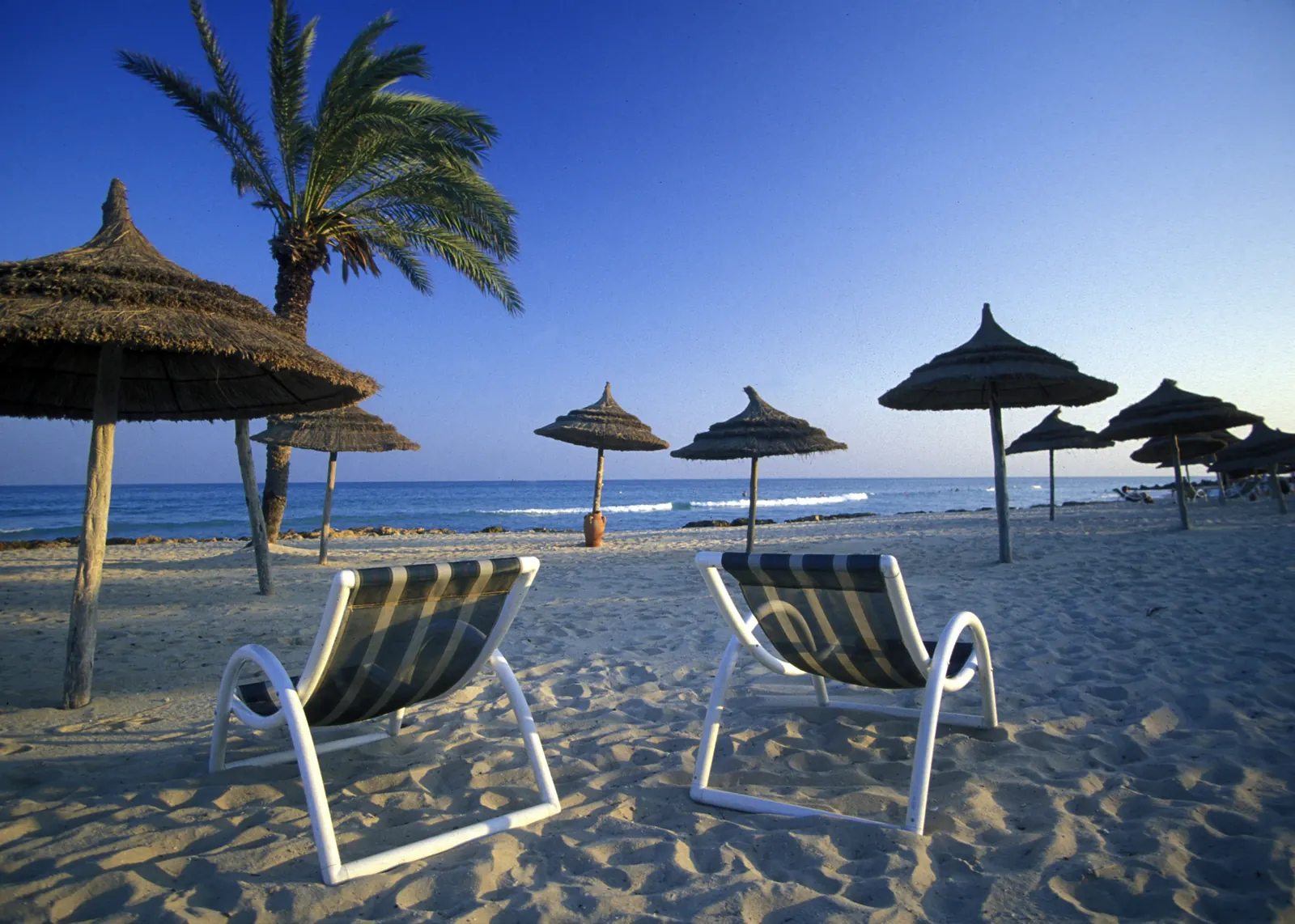
Public beaches are free; most resort beaches now also welcome non-guests for a daily lounger fee (€8–€20 typically including a drink). Umbrella and lounger rentals on public beaches: 10–25 TND for the day. Topless sunbathing is unusual outside private resort beaches — most travellers wear standard swimwear. Lifeguards on the main resort beaches in summer; less reliable elsewhere — supervise children. Watch for jellyfish in late August (less common than in some Med destinations but worth checking conditions locally).

Ready to plan your Tunisia trip?

Build a custom 3, 7 or 14-day itinerary in 60 seconds with our AI Trip Planner.