etunisie
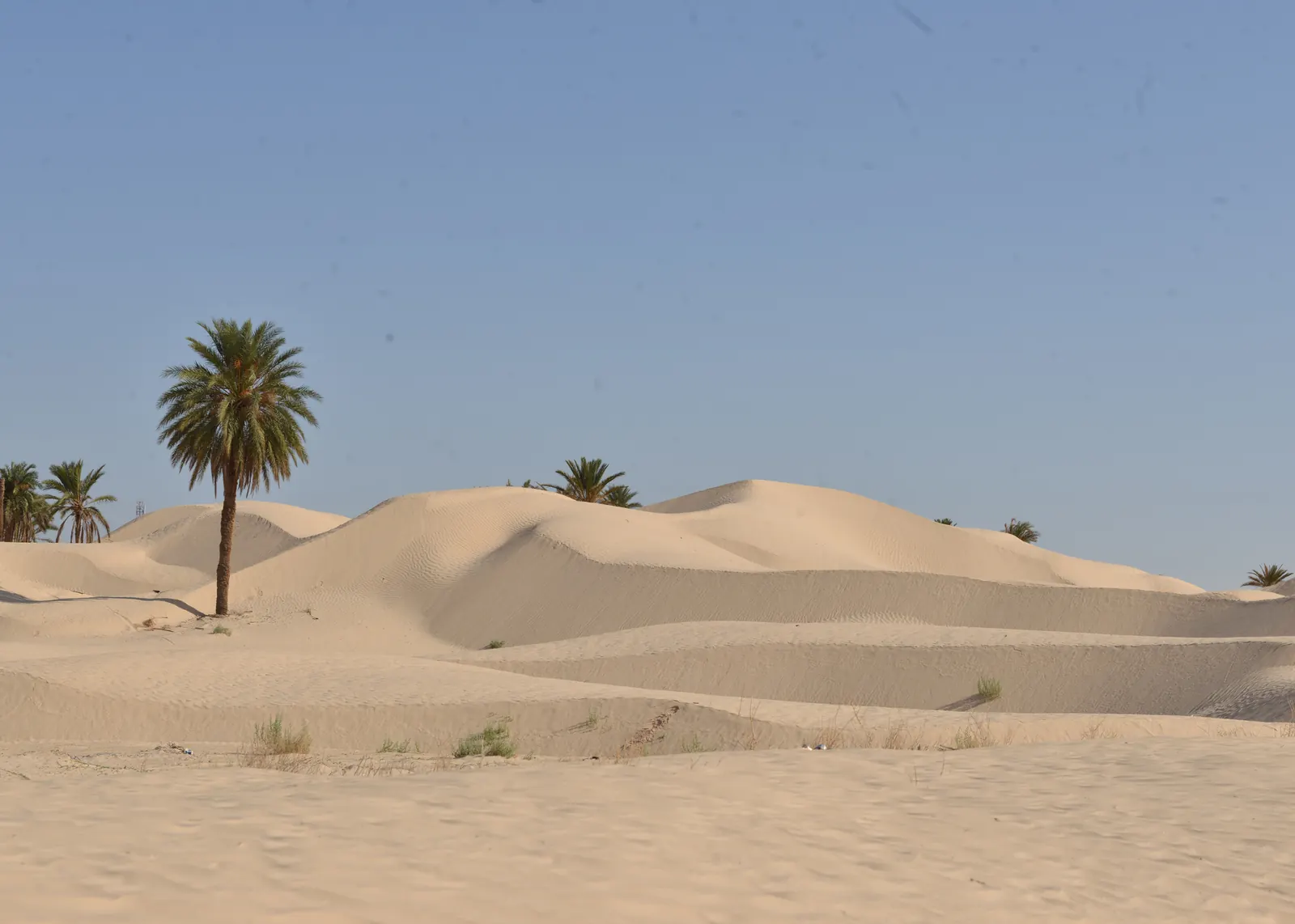
Open road into the Tunisian desert
Transport

Renting a car in Tunisia

A car unlocks Tunisia. The country is small (you can drive Tunis to Tozeur in 6 hours), distances are reasonable, fuel is cheap, and the road network from Tunis down the coast to Sfax is genuinely good — multi-lane motorway most of the way. Inland and south, things get more rural but stay perfectly drivable. Here's the practical guide.

€20–€35
Economy car / day
21 yrs
Minimum age (most agencies)
~2.5 TND
Petrol per litre
Right
Drive on the right

What it costs

Economy car (Clio, Polo, Sandero) — €20–€35 per day with local agencies, €35–€55 with international brands (Hertz, Avis, Europcar, Sixt). SUVs and 4×4s for the desert run €60–€120/day. Weekly rates are usually 15–25% cheaper per day than 1–2 day rentals. Fuel is one of the cheapest things in the country — petrol is around 2.5 TND/litre (~€0.75) and diesel around 2.2 TND. A full tank of an economy car: ~80 TND (€24). Motorway tolls are minimal — Tunis–Sousse is about 7 TND, Tunis–Sfax around 15 TND. Pay cash at the booth.
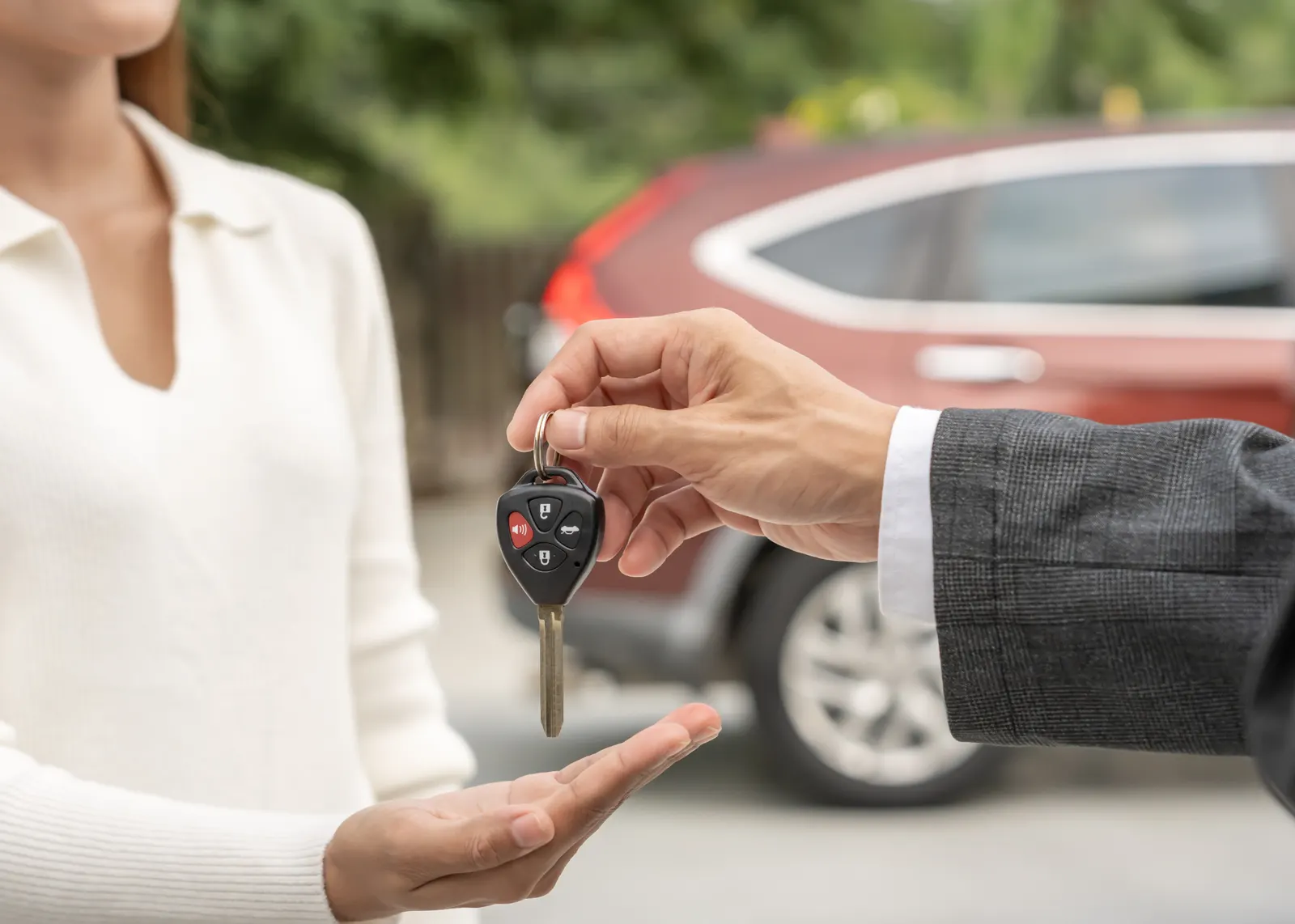
What it costs to rent a car in Tunisia — daily rates and fuel
Driving documents — passport, licence and IDP

Documents and the licence question

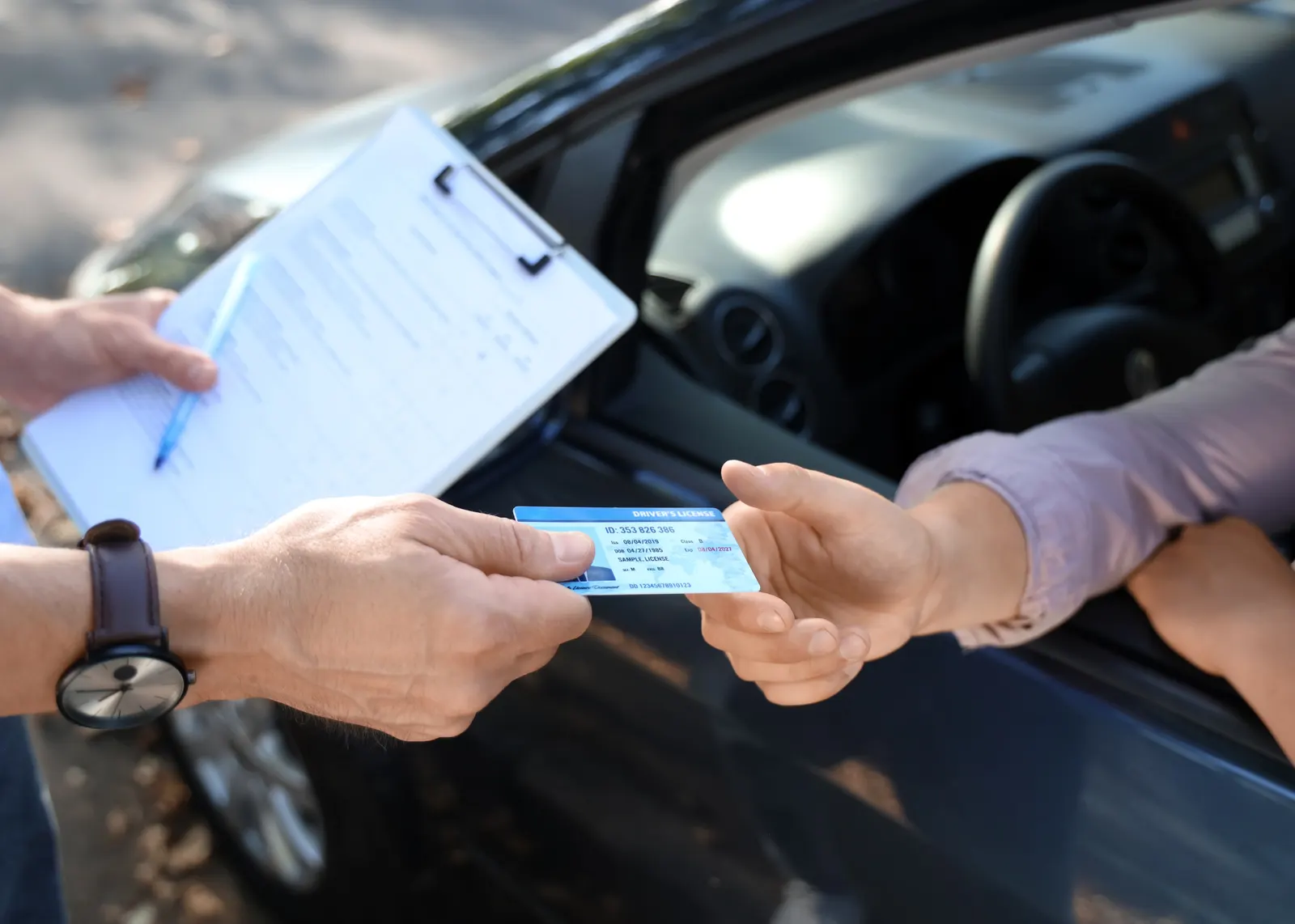
You need: a passport, a driving licence held for at least 1–2 years (depends on agency), and a credit card in the main driver's name for the deposit (€300–€800 hold). Your national licence is accepted if it's in the Latin alphabet (most European, US, UK, Canadian, Australian licences). If your licence uses non-Latin script (Arabic, Cyrillic, Chinese, Japanese), bring an International Driving Permit. The IDP is also a smart back-up for everyone — police checks happen and the document is universally readable. Minimum age: 21 with most agencies, 25 for premium / 4×4 categories. A young-driver surcharge (€5–€10/day) sometimes applies under 25.

Where to rent — the smart picks

Airport pickup is the easiest: Tunis-Carthage, Enfidha-Hammamet and Djerba-Zarzis all have full rental desks airside. Online pre-booking is essential in summer (July–August fully sells out by mid-June). Local agencies (3A Rent Car, Atlas, Express, Hertz Tunisia franchisee) are 30–50% cheaper than the global brands and the cars are equivalent. Read recent reviews; avoid no-name desks with no website. International brands (Hertz, Avis, Europcar, Sixt, Budget) cost more but are bulletproof for paperwork, English support, and one-way drops between cities (e.g. pick up Tunis, drop Djerba — typically a €60–€120 one-way fee).

Insurance — read this carefully

Basic CDW (collision damage waiver) is included in nearly every quoted price, but it usually leaves a €600–€1,500 excess (the amount you owe if you damage the car). For peace of mind, take the 'super CDW' / 'zero excess' upgrade — typically €8–€15/day extra. Or buy stand-alone excess insurance from an outside provider (RentalCover, iCarHireInsurance) for €4–€7/day, which usually beats the on-desk upsell. Theft protection is generally included. Tyres, windscreen, undercarriage are NOT — and dust roads to the desert are exactly where they break. If you're heading south, take the all-inclusive package or a 4×4 with full coverage.

Driving in Tunisia — what to expect

Driving is on the right. Speed limits: 50 km/h in town, 90 km/h on rural roads, 110 km/h on motorways. They are enforced — speed cameras and police checkpoints are common. The motorway from Tunis to Sfax (with branches to Hammamet and Sousse) is European-standard. The road south to Tozeur and Douz is good single-carriageway tarmac. Mountain roads in the north-west and tracks into the deep desert require care. City driving in Tunis is intense — assertive, lots of horn, lane discipline relaxed. Park outside the medina and walk in. Police checkpoints will sometimes wave you through, sometimes ask for licence and registration — be polite, hand over documents, smile, you'll be on your way in 60 seconds. Don't drive at night in rural areas if you can avoid it: unlit roads, occasional livestock, the odd unmarked speed bump.

Common pitfalls

Inspect the car BEFORE driving off: photograph every existing scratch, dent and the fuel level. Email yourself the photos. This single habit prevents 95% of return-disputes. Return the car with the same fuel level — agencies charge punitive rates to refuel. Keep your rental contract and passport in the glovebox for police checks. If you have an accident (even minor), call the police (197) and get a 'constat amiable' — the European-style accident report. No paper, no insurance claim. Avoid signing blank credit-card slips at handover. Reputable agencies don't ask. If they do, walk away.

Ready to plan your Tunisia trip?

Build a custom 3, 7 or 14-day itinerary in 60 seconds with our AI Trip Planner.