etunisie
etunisie
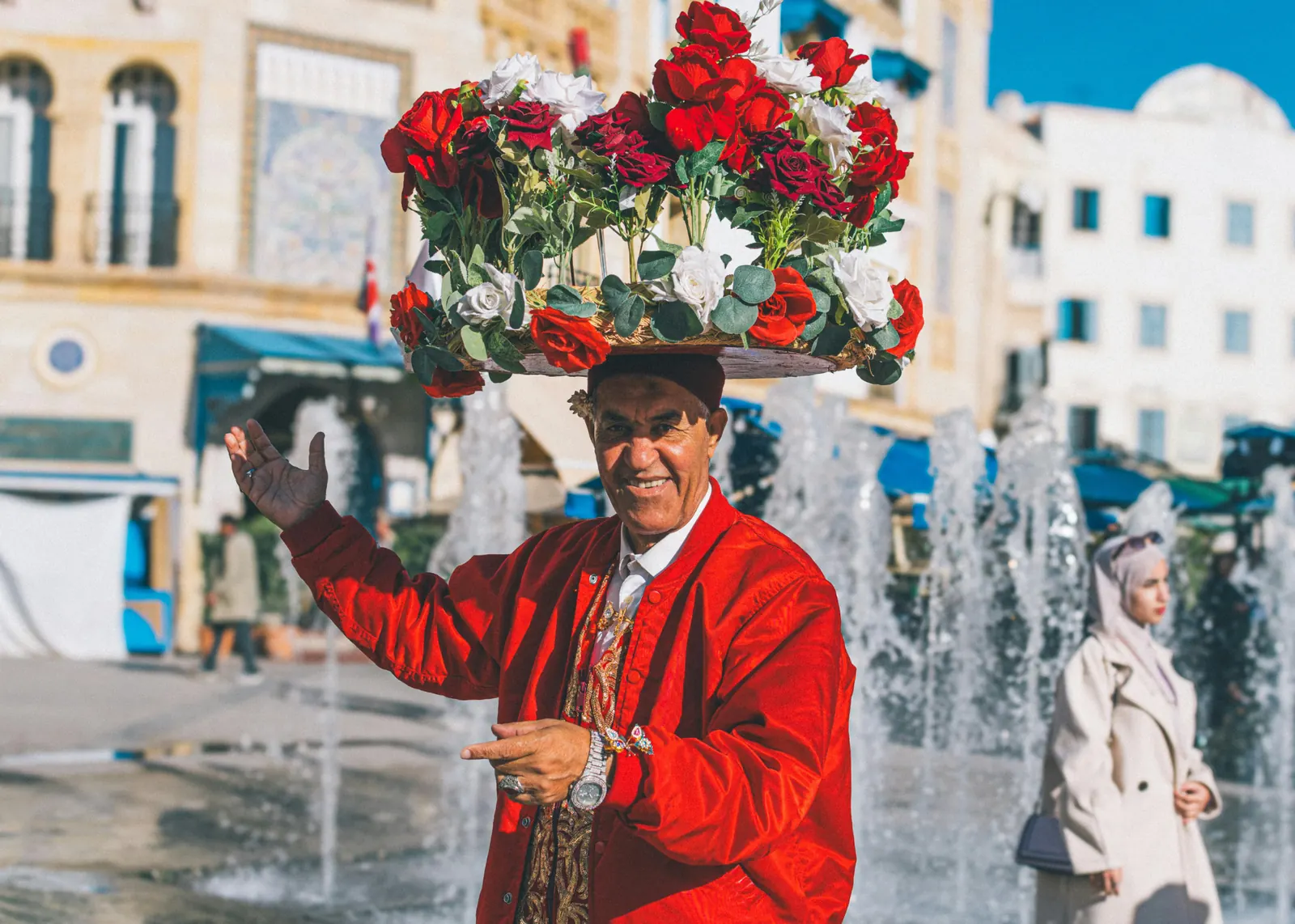
A jasmine seller — the Tunisian welcome
Plan Your Trip

Language: a few words go a long way

Arabic is the official language and Tunisian Arabic (Derja) is what you'll hear on the street. French is the universal second language — almost everyone in tourism, business and the cities speaks it well. English is increasingly common at hotels and tourist sites. Twenty words of Arabic will earn you smiles wherever you go.

Arabic
Official language
French
Universal second
English
Common in tourism
Berber
Spoken in south

Greetings — the basics

Hello: Salam (formal Arabic) / Aslama (Tunisian) / Bonjour (French). Goodbye: Bislama (Tunisian) / Au revoir (French). How are you?: Shnouwa hwalek? (m) / Shnouwa hwalik? (f). Good: Behi. Thank you: Shukran / Merci. You're welcome: Aafwen / Je vous en prie. Please: Yaaishek (Tunisian) / S'il vous plaît (French). Yes / No: Ee or Naam / La. Excuse me: Samahni. Start any interaction with 'Salam' or 'Bonjour' and you've already done the work — Tunisians are extremely warm and visibly responsive to even small efforts in their language.
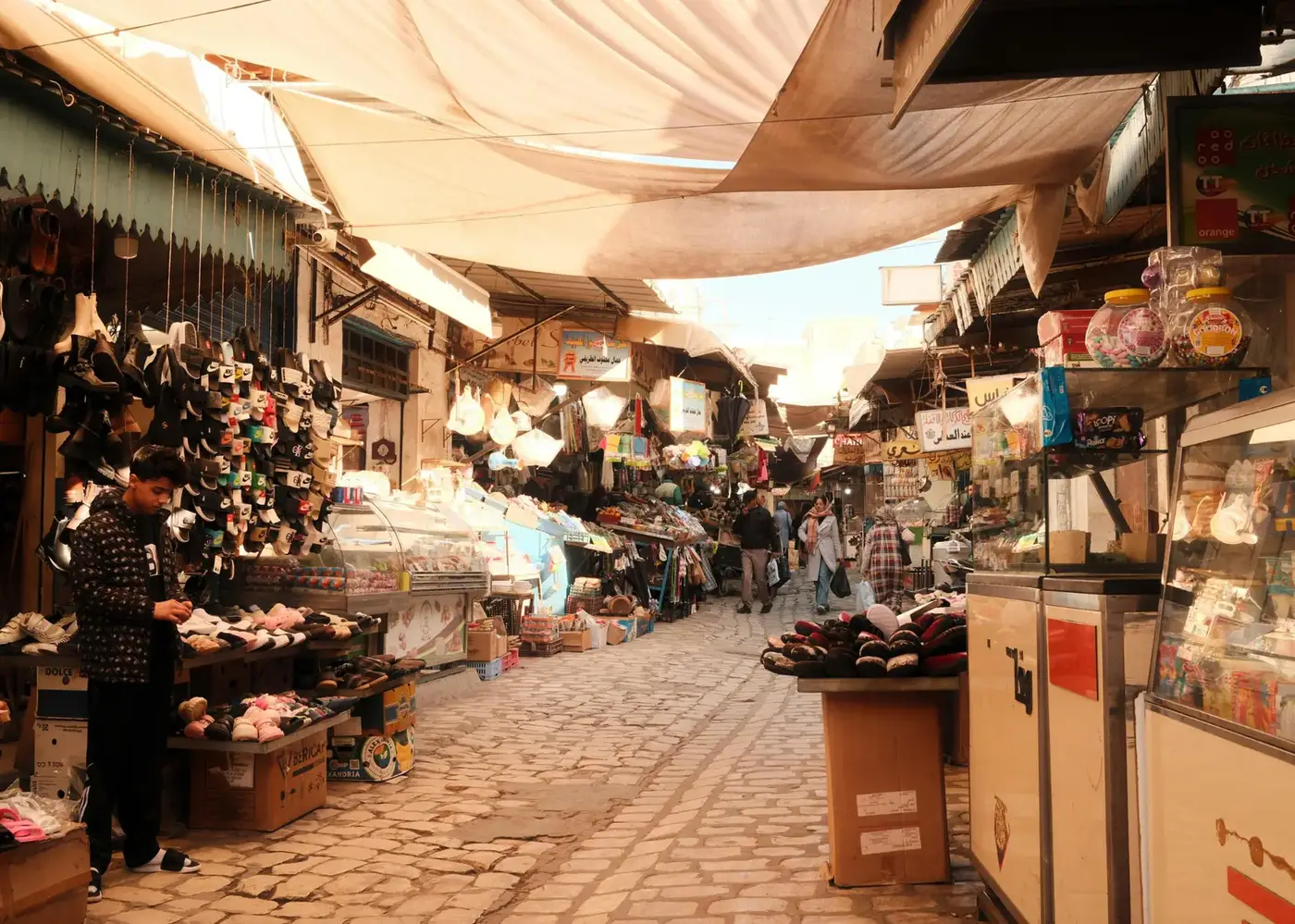
A Tunisian souk

Useful phrases

How much is it?: Be qadesh? / C'est combien? Too expensive: Ghali barsha. Do you have...?: Aandek...? Where is...?: Win...? The bill, please: La facture, s'il vous plaît / El fattoura, yaaishek. With pleasure: Bekol srour. God willing (commonly used for any future plan): Inshallah. Thanks be to God (response to 'how are you'): Hamdoulilah. No problem: Mafamesh mochkla. See you tomorrow: Nshofek ghodwa. I don't speak Arabic: Mananjamesh narbi. Do you speak English / French?: Tetkellem ngliz / fransawi?

Food and drink

Water: Ma'a / De l'eau. With ice: Bel barda. Without sugar: Bla soukar. Bread: Khobz. A little bit (e.g. of harissa): Shwaya. Very good: Behi barsha. Delicious: Bnin / Lazize. I'm full: Shabaat. The check, please: Hseb mahabik / L'addition s'il vous plaît. If invited to a Tunisian home, the magic word is 'sahha' (literally 'health') — used as both a thank-you to the cook and a toast at the table.
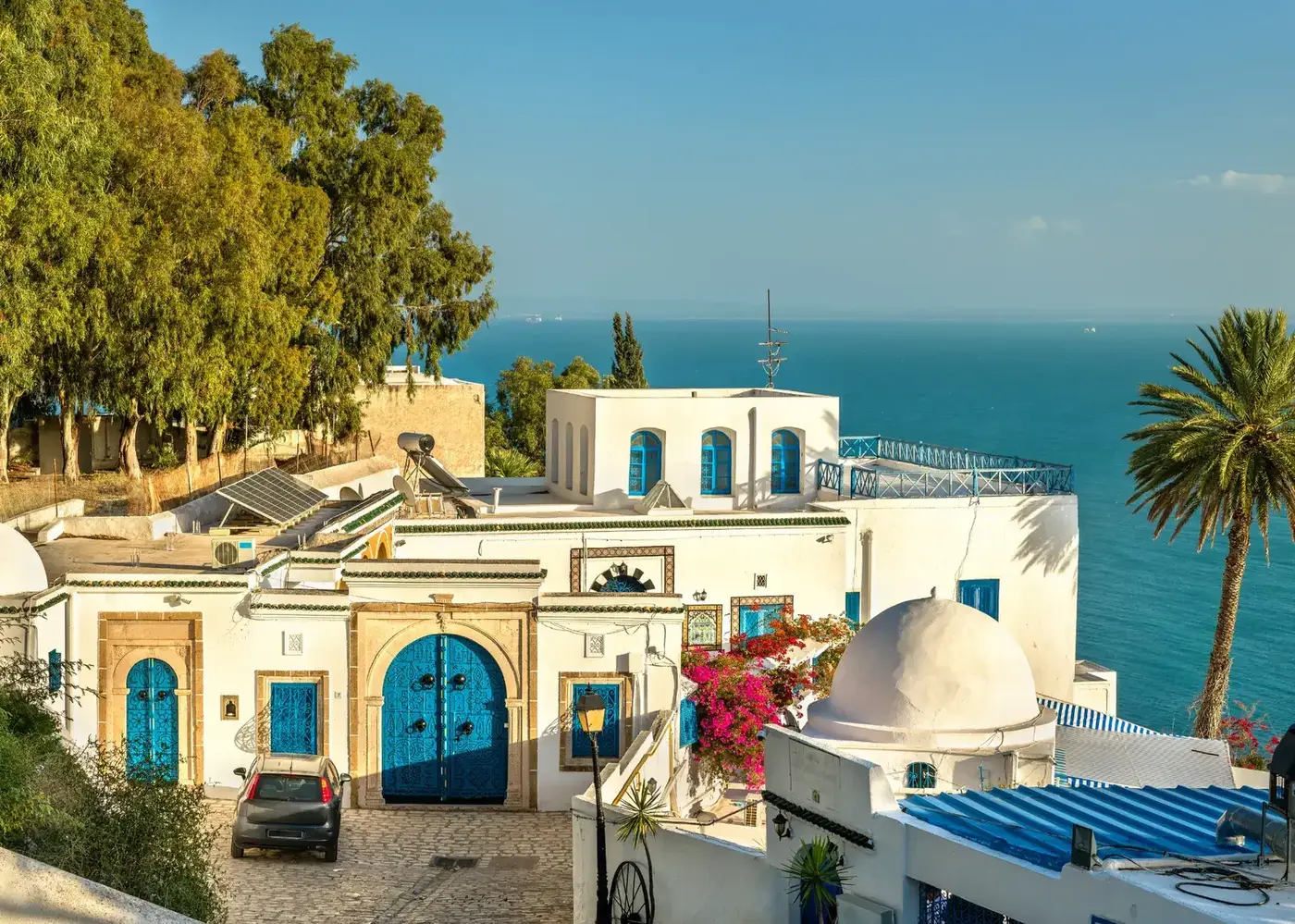
Sidi Bou Said village

Numbers (1–10)

1: wahed. 2: thnin. 3: thlatha. 4: arbaa. 5: khamsa. 6: setta. 7: sebaa. 8: thmania. 9: tessaa. 10: ashra. 100: mia. 1000: alf. Bargaining tip: when a vendor offers a price, calmly counter with about half ('khamsin dinar?', '50 dinars?') and meet in the middle.

Polite tips

Always greet first before asking a question or making a request. Walking up to a shopkeeper and immediately asking 'how much?' is considered abrupt. 'Salam, kifech?' first, then your question. Use your right hand for handshakes, accepting tea, and giving money — the left hand is traditionally considered impolite for these. 'Inshallah' is used constantly — 'see you tomorrow, inshallah'. Don't read it as flakiness; it's just a verbal habit. 'Hamdoulilah' is used after eating, after good news, after sneezing, after surviving traffic. Use it freely — Tunisians enjoy hearing it from visitors. A simple 'shukran ya akhi' (thanks, brother) or 'shukran ya okhti' (thanks, sister) goes a long way with younger people in shops, taxis and cafés.

Ready to plan your Tunisia trip?

Build a custom 3, 7 or 14-day itinerary in 60 seconds with our AI Trip Planner.