etunisie
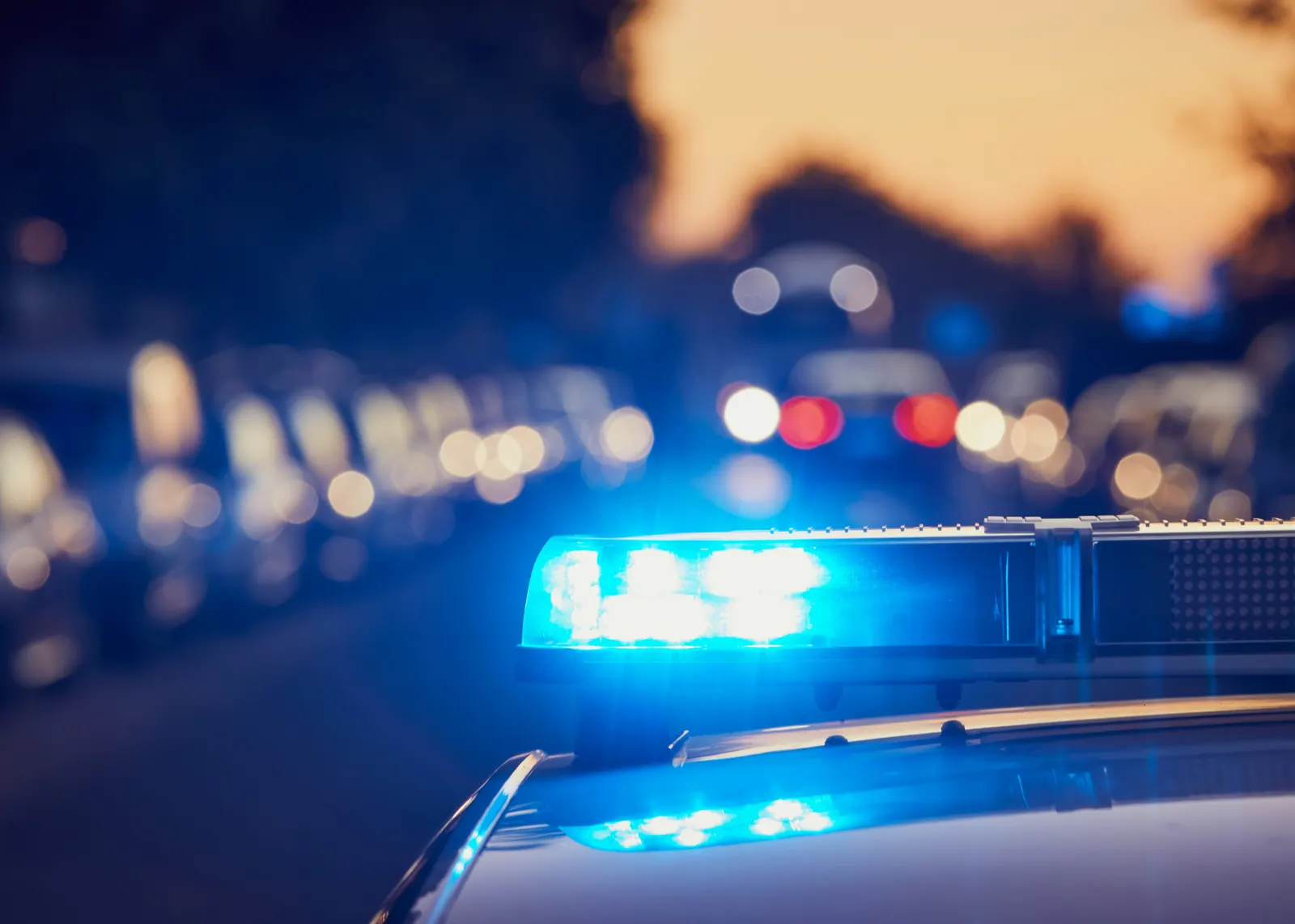
Police lights at dusk — Tunisia's tourist areas are well patrolled
About Tunisia

Safety & health: a practical, honest guide

Tunisia is a safe, easy country for tourists. Crime against visitors is rare, healthcare is good in the cities, the food is generally safe and the people are famously hospitable. Here's the practical detail you need so you can stop worrying and start planning.

190
Police emergency
198
Ambulance
Tap water
Safe in cities
No vaccines
Required for entry

Is Tunisia safe to visit?

Yes — for the standard tourist circuit (Tunis, Carthage, Sidi Bou Said, the resort coast from Hammamet to Mahdia, Djerba, Kairouan, Tozeur and the desert), Tunisia is comparable to most southern European destinations in terms of risk. Violent crime against tourists is very rare. Tourist police are present in major sites, and the resort areas in particular are well-patrolled. The areas your home country's foreign office may flag are remote border zones (the Algerian and Libyan land borders, the deep Chaambi mountain region in the centre-west). These are not places anyone goes on holiday — every recommended itinerary in Tunisia keeps you well clear of them. Always check your government's current travel advice before booking.
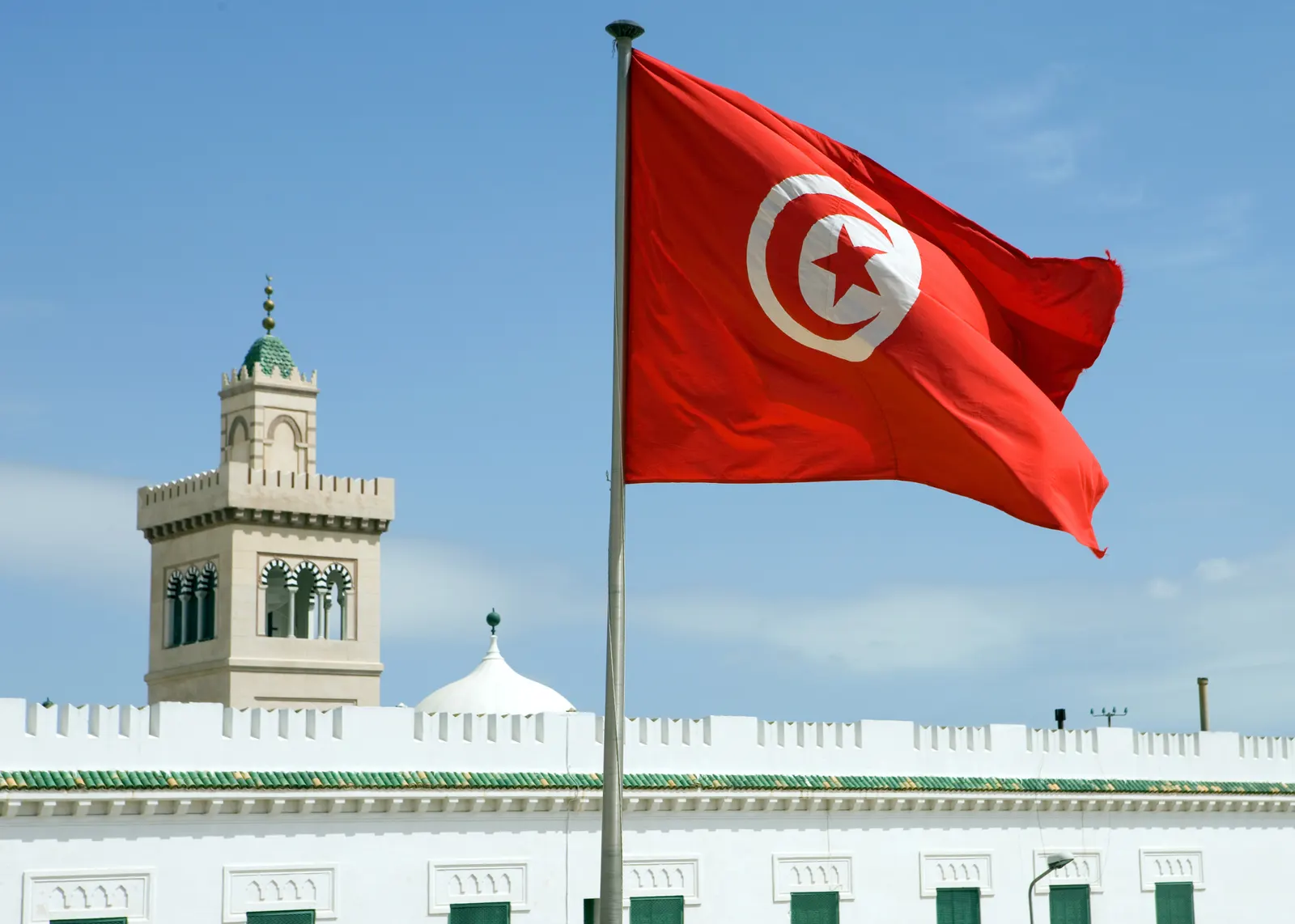
The Tunisian flag flying over a government building in Tunis
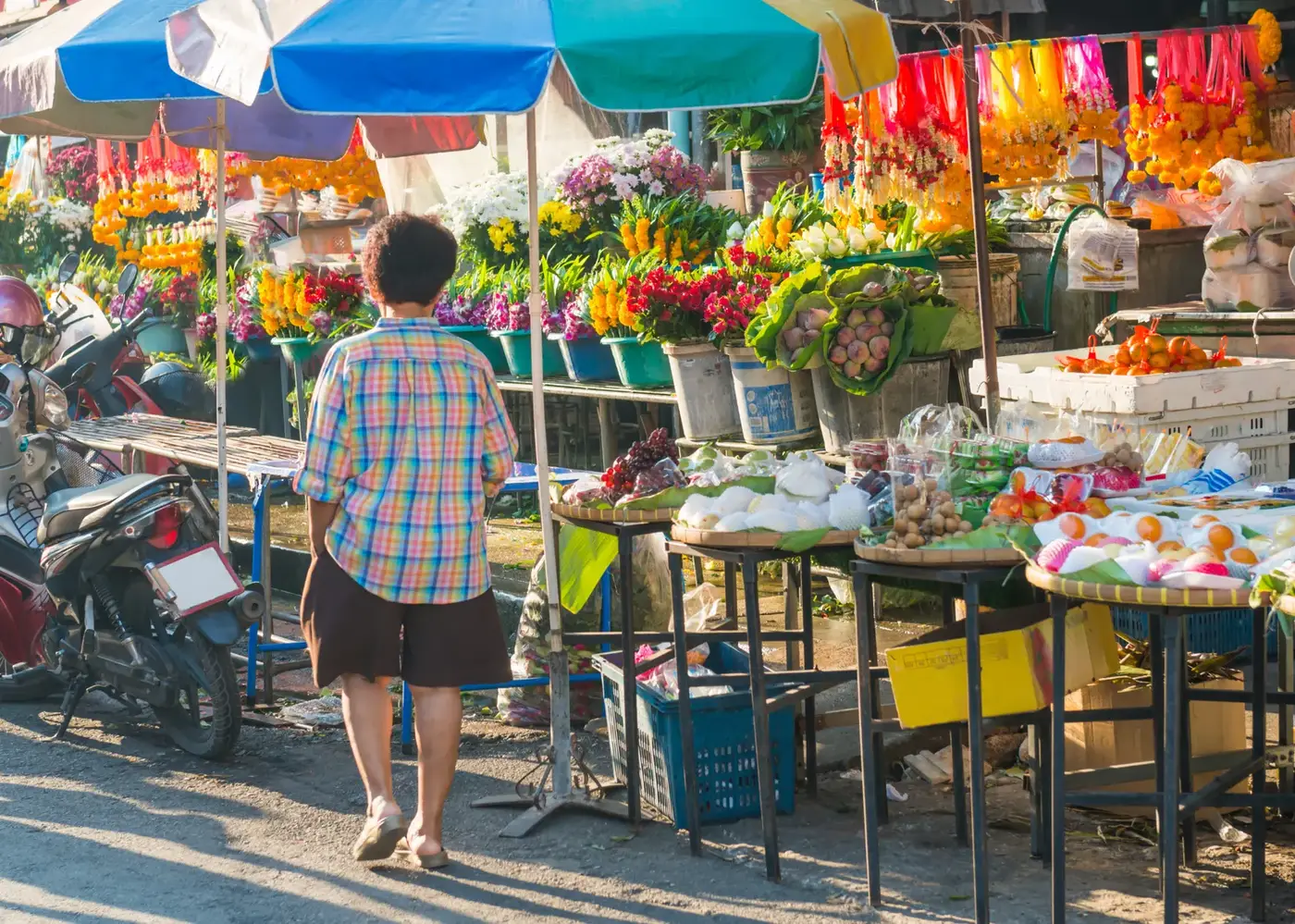
A colourful Tunisian market — friendly bargaining is part of the experience

Money, scams and souks

The Tunisian dinar (TND) is a closed currency — you can't get it before you arrive and you can't take large amounts out. Exchange a small amount at the airport on arrival (better rates than in town) and use ATMs once you're in the country. Cash is king outside resorts; cards are accepted in mid-range hotels, restaurants and supermarkets but rarely in souks or taxis. The most common annoyance is the friendly stranger in a medina who offers to 'show you something' — a workshop, a viewpoint, his cousin's shop — and then pressures you to buy. The polite but firm 'la, shukran' ('no, thank you') and walking on works fine. Always agree taxi fares before getting in, or insist the meter is on ('compteur, s'il vous plaît').

Women travelling solo

Tunisia is one of the easier North African countries for women travelling alone. Tunisian women work, drive, run businesses, sit on café terraces and go out at night — visitors who do the same blend in. You will get some attention in the medinas (compliments, occasional propositions); a calm, brief response and continuing on works well. Dress is generally relaxed in tourist zones, the capital and along the coast — sundresses, shorts and swimwear are normal at the beach and the pool. In Kairouan and rural inland villages, more conservative dress (covered shoulders, knee-length) is appreciated. A scarf in your bag is useful for visiting mosques.
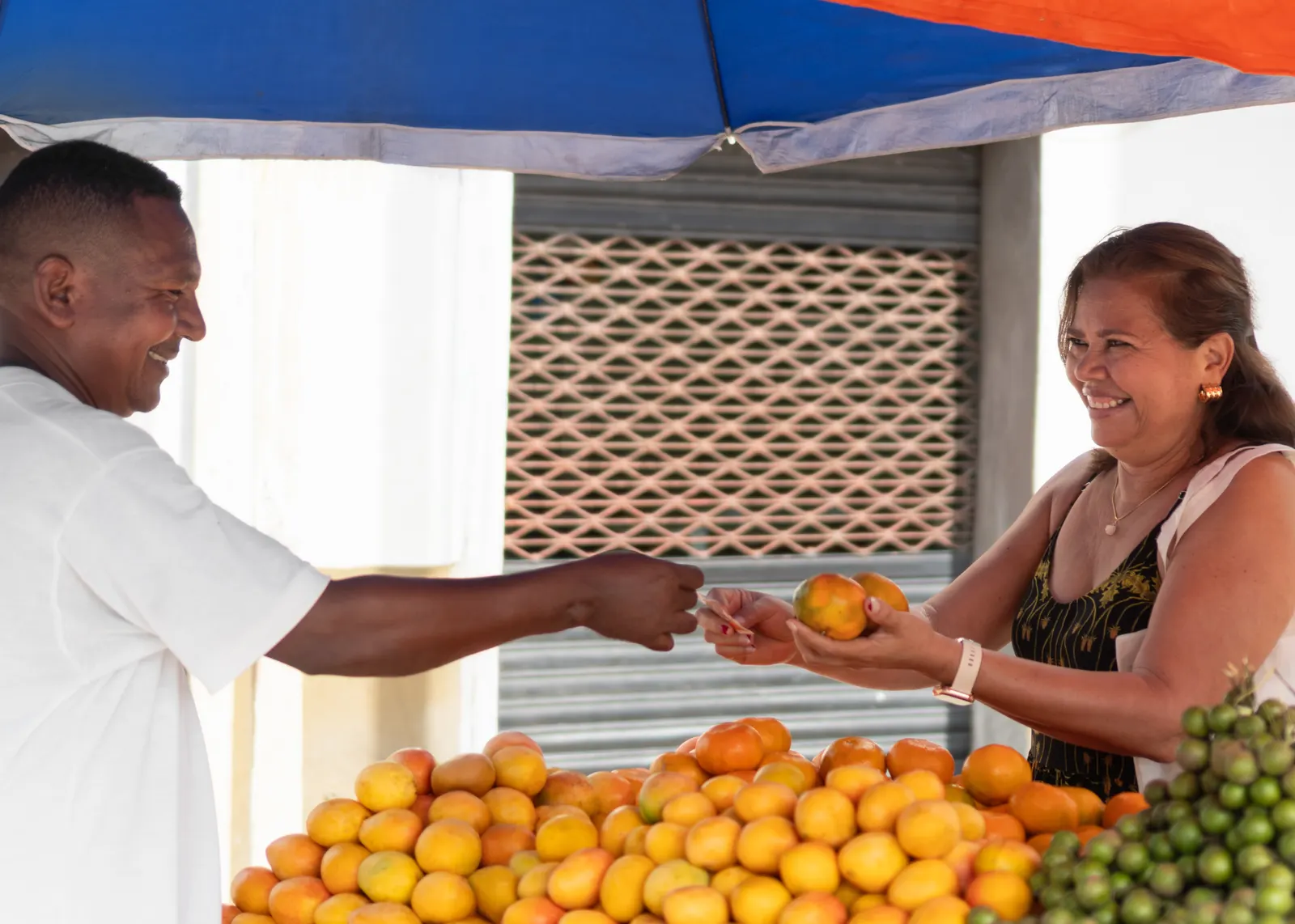
A friendly exchange between a vendor and a visitor at a fruit stall

Health, water and food

No vaccinations are required for entry. The recommendation list typically includes routine immunisations (tetanus, MMR), and Hepatitis A and Typhoid for longer or more rural stays — check with your travel clinic 4–6 weeks before departure. Tap water in Tunis, Sousse, Hammamet and major cities is treated and considered safe, but most travellers (and many Tunisians) drink bottled water for taste. Salads in good restaurants and resorts are fine; in small inland eateries, prefer cooked food and peelable fruit. The classic 'travellers' tummy' usually settles in 24 hours; bring a basic kit of rehydration salts and Imodium just in case. Pharmacies are everywhere, well-stocked and inexpensive. Look for the green cross — there's always one open at night in every town ('pharmacie de nuit').

Healthcare and insurance

Private clinics in Tunis, Sousse, Sfax and Hammamet are excellent and affordable by European standards — the country is in fact a major medical-tourism destination. A consultation typically costs 40–80 dinars (€12–25). Major chains include Clinique Hannibal and Clinique Pasteur (Tunis), Clinique Les Oliviers (Sousse) and the Polyclinique Les Berges du Lac. We still strongly recommend full travel insurance with medical evacuation cover, especially if you plan a desert trip — a serious accident in the south is a long way from a major hospital. Emergency numbers: police 190, ambulance 198, fire 197. Tourist police can be reached through any major hotel reception.
A desert excursion — bring proper insurance for trips like this

A short list of sensible habits

Keep a copy of your passport on your phone, leave the original in the hotel safe. Use Bolt (the local Uber-equivalent) in cities — it removes any taxi negotiation. Dress modestly when entering mosques and rural villages. During Ramadan, eat and drink discreetly in public during the day out of respect. Don't photograph government buildings, military installations or police checkpoints. Trust your instincts: if a situation feels off — a too-friendly guide, a 'closed today' detour — politely turn around. Tunisians themselves will help you if you ask.

Ready to plan your Tunisia trip?

Build a custom 3, 7 or 14-day itinerary in 60 seconds with our AI Trip Planner.