What happened
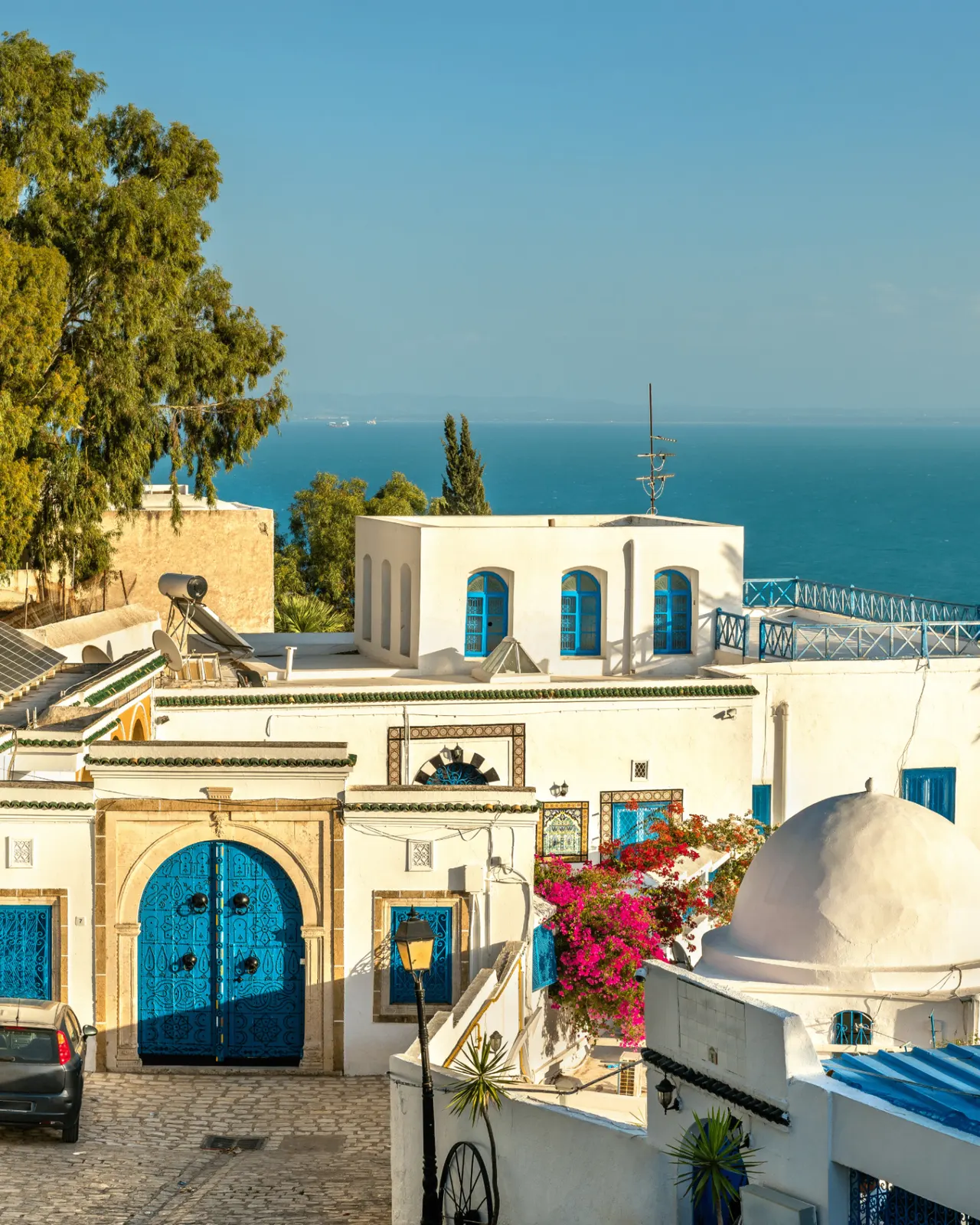
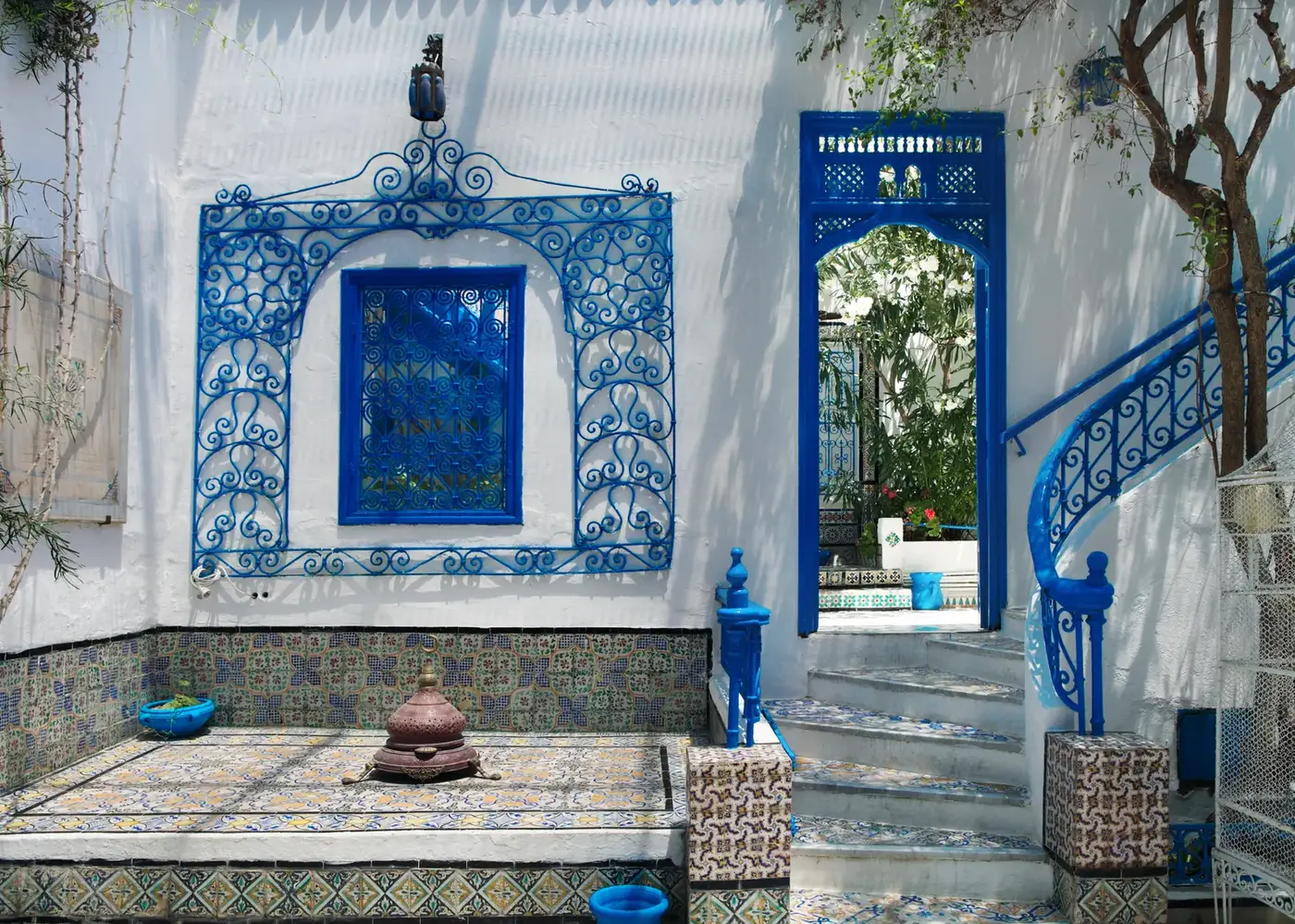
Meeting in July 2026, UNESCO's World Heritage Committee voted unanimously to add Sidi Bou Saïd to the World Heritage List. The decision closes a nomination process that Tunisian heritage authorities had been building for years around a single, unusually coherent argument: the village is not simply pretty, it is a preserved architectural ensemble whose blue-and-white palette, arched doorways, wrought-iron mashrabiya screens and cliff-top street plan have been protected by law since 1915 — one of the earliest protective urban decrees anywhere in North Africa.
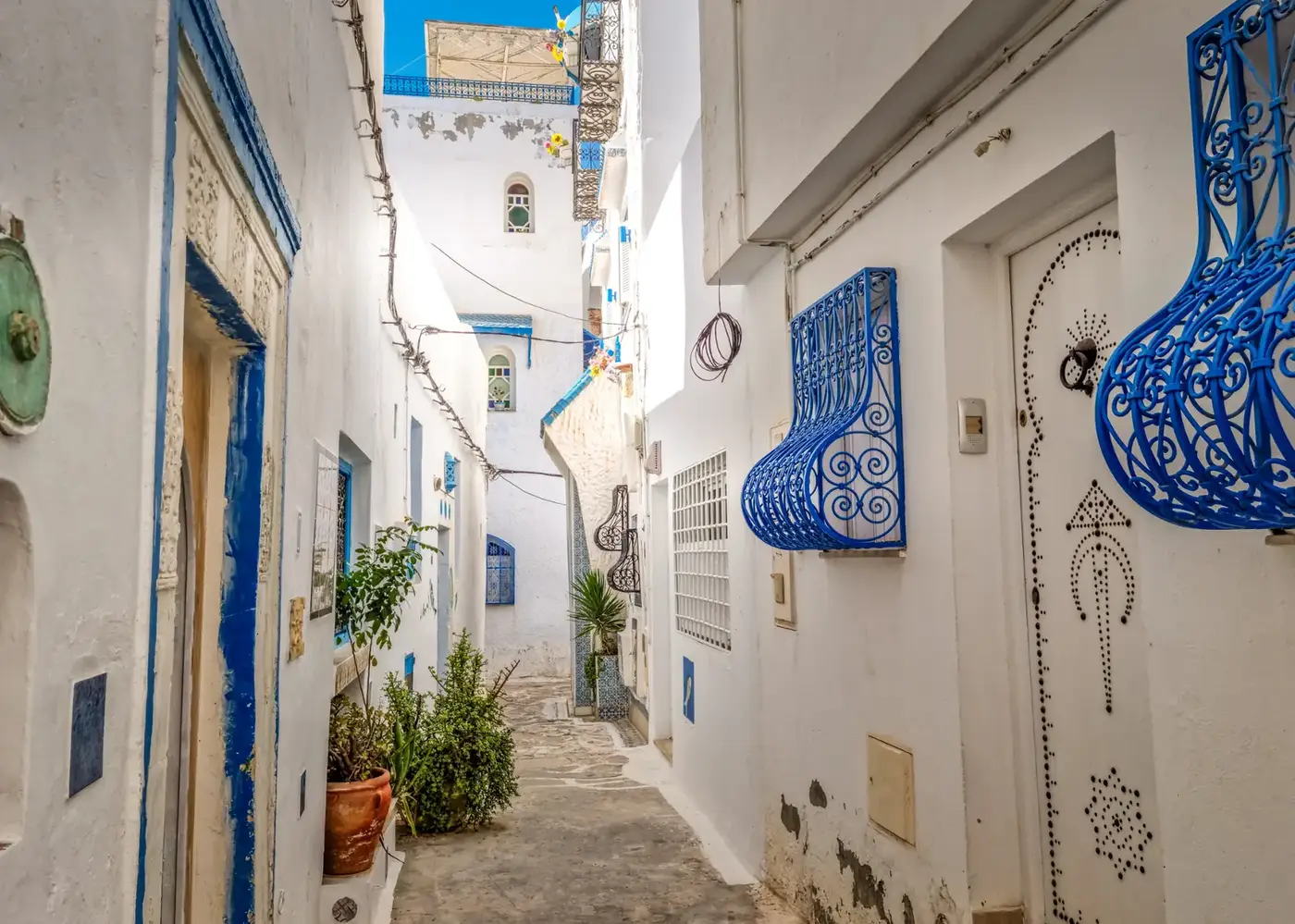
That early protection is the point. Most Mediterranean hill villages that look like Sidi Bou Saïd today were rebuilt to look that way. Sidi Bou Saïd was legally frozen before mass tourism existed, which is why the whitewash, the specific cobalt blue of the shutters, the height limits and the studded nail-work doors survived essentially intact into the 21st century.
Tunisia's tenth property — and a second UNESCO win in one year
Sidi Bou Saïd joins a list that already included the Archaeological Site of Carthage, the Medina of Tunis, the Amphitheatre of El Jem, the Great Mosque city of Kairouan, the Medina of Sousse, Dougga/Thugga, the Punic town of Kerkouane and Ichkeul National Park. Earlier in 2026, the Dahar region in Tunisia's south — the ksour and troglodyte landscape around Tataouine, Matmata and Beni Kheddache — was recognised as a UNESCO Global Geopark, a separate programme from World Heritage but a significant designation for a region that badly needs year-round visitors.
Two designations in one calendar year is unusual for any country. For Tunisia, it matters commercially as much as culturally: World Heritage status is one of the very few signals that European and North American tour operators use when they build a destination page from scratch.
Advertisement
What actually changes for visitors
Practically, very little — and that is the honest answer. There is no UNESCO ticket, no new gate and no entry fee for the village itself. Walking the main street, sitting at Café des Nattes, and reaching the overlook above the marina remain free. What inscription changes is the regulatory posture around the village: stricter control over facade alterations, signage, new-build heights and commercial encroachment, plus stronger grounds for authorities to refuse developments that break the ensemble.
- Expect more visitors, not fewer. Listings reliably raise footfall. If you dislike crowds, arrive before 10:00 or after 17:00 — the coach groups occupy roughly 11:00–16:00.
- Paid entries stay as they were: Dar El Annabi and the Ennejma Ezzahra palace (Centre of Arab and Mediterranean Music) charge modest admission; both are worth it.
- Photography rules are unchanged in public streets, but residents live behind those doors. Ask before shooting people or interiors.
- Prices in cafés on the main drag are tourist-tier. Two streets back, they are not.
How to visit well, now that everyone will
Sidi Bou Saïd works best as a half-day paired with Carthage, not as a standalone trip. Take the TGM light rail from Tunis Marine (about 35 minutes; get off at Sidi Bou Saïd station and walk up), or stop at Carthage-Hannibal on the way. A sensible sequence: Carthage's Antonine Baths and Byrsa Hill in the morning, lunch in Sidi Bou Saïd, the village and overlook in the late afternoon, sunset at the cliff edge.
If you would rather not fight the day-trippers at all, sleep in the village. Once the last coach leaves around 18:00, the streets empty and the place becomes what it was before: a quiet residential hill town with cats, jasmine sellers and a very good view.