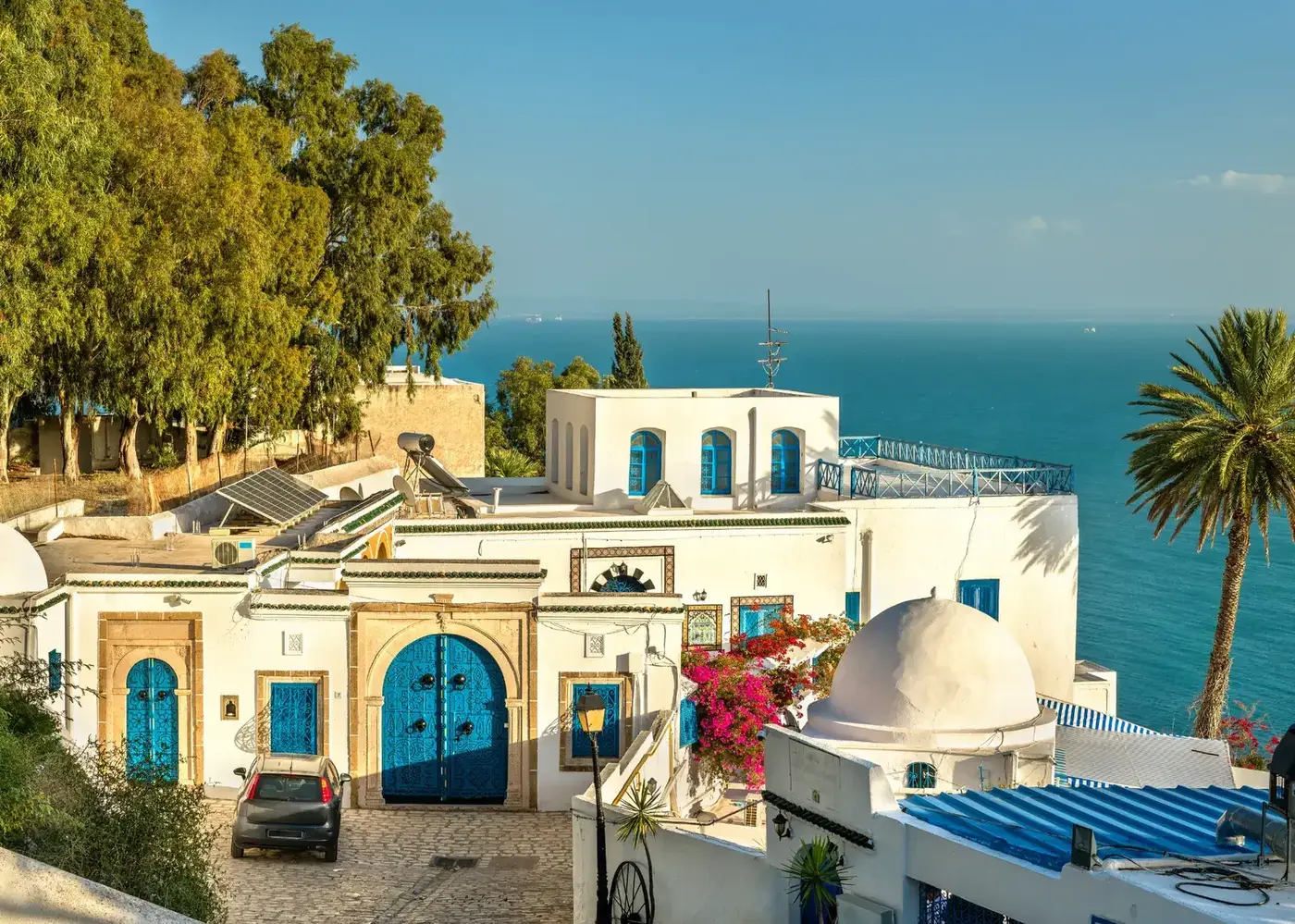
TL;DR — Tunisia has officially launched a 2026–2030 Blue Economy tourism strategy focused on coastal wellness, marine leisure and a renewed push to lead the global thalassotherapy sector.
On 18 May 2026, Tourism Minister Sofiane Tekaya presented the country's new coastal tourism strategy. The programme runs to 2030 and rests on three pillars: modernising Tunisia's already-substantial thalasso industry, expanding regulated marine recreation (diving, sailing, kite-surfing, sea-caving), and raising the environmental standard of the coast that has historically driven the country's tourism receipts.
What's actually in the plan
The strategy earmarks investment for coastal water-quality monitoring, marina upgrades along the Cap Bon and Sahel coasts, new certification standards for dive schools and wellness resorts, and a national label for hotels meeting the new blue-economy criteria. It also confirms Tunisia's ambition to reclaim its position as the world's second-largest thalasso destination.
Advertisement
Why travellers should care
In practical terms, the plan should translate into cleaner beaches, more transparent dive-school regulation, a wider spread of legitimate marina services outside the traditional Hammamet-Djerba corridor, and a stronger wellness product across the Sahel. If you already come to Tunisia for the thalasso circuit (Sousse, Hammamet Yasmine, Djerba), expect renovations and new openings — several major properties have been quietly upgrading spas and sea-water circuits in anticipation of the label.
It also aligns neatly with wider trends — the return of UK charter flights, expansion of Iberostar and Meliá on the coast, and a resurgent French summer market. The next 24 months should be one of the most interesting periods to watch Tunisia's coastal product evolve.
Source: The Tunisia Guide
Advertisement
This is an editorial summary by eTunisie. For the original reporting and full details, visit the source publisher.
Read the original on The Tunisia Guide